












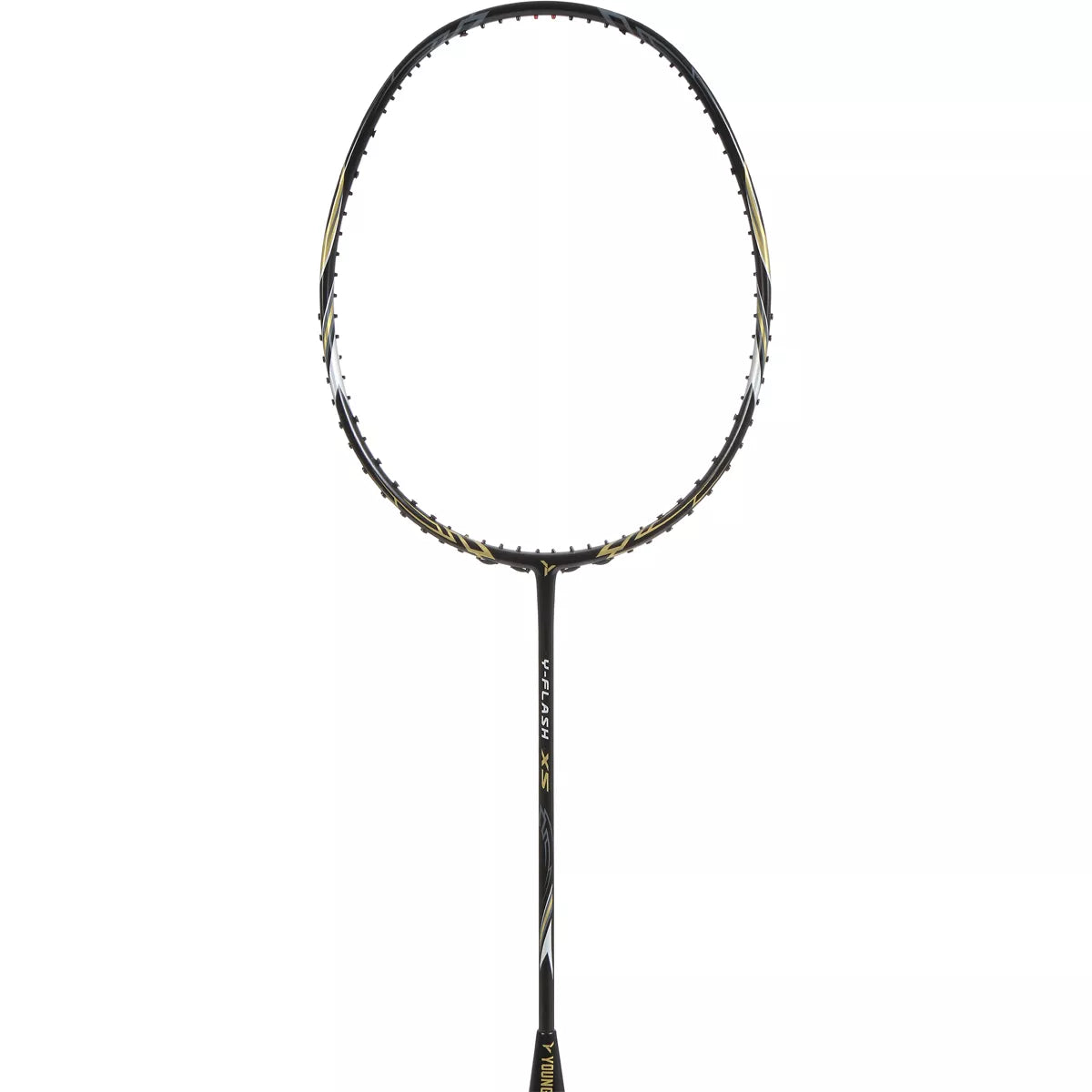
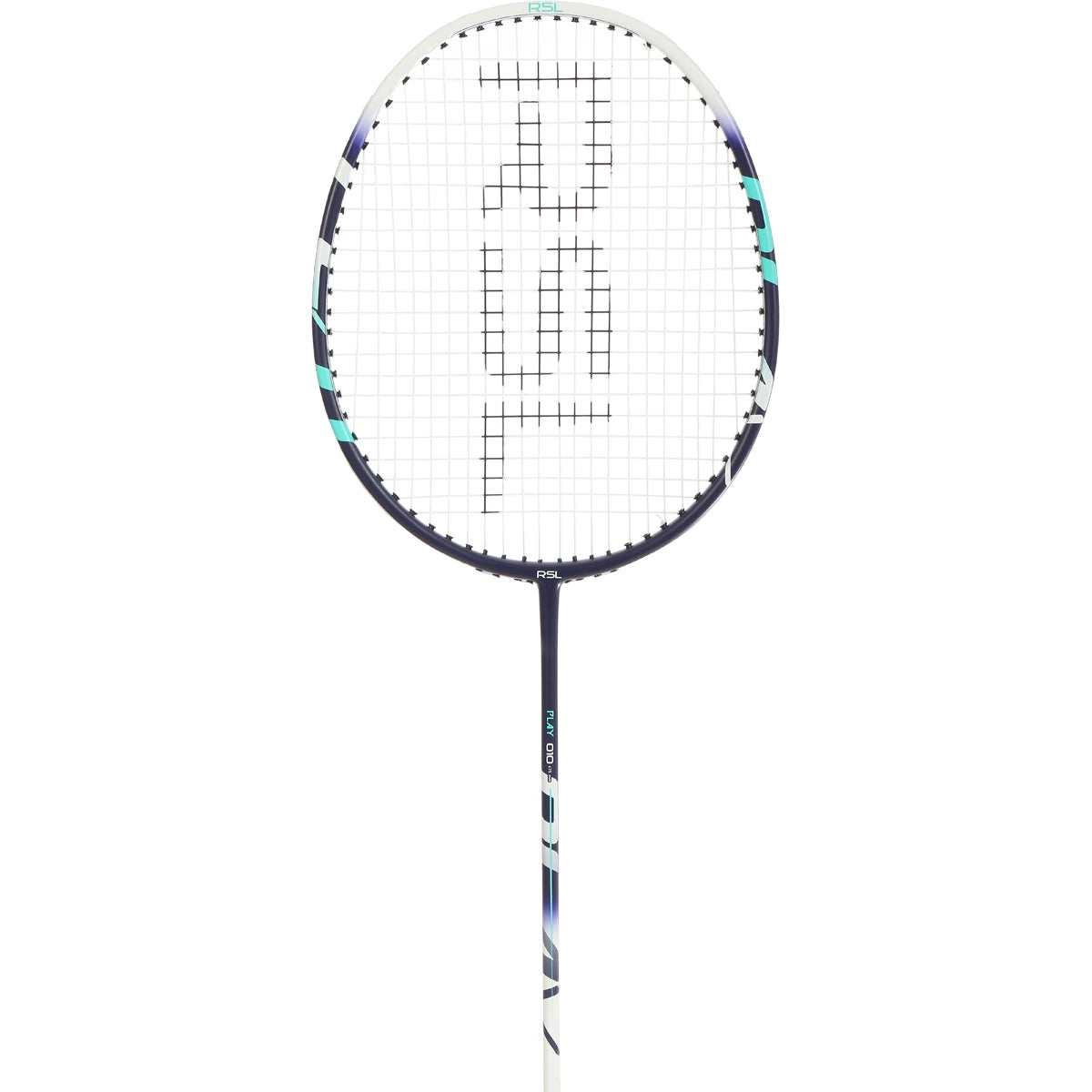

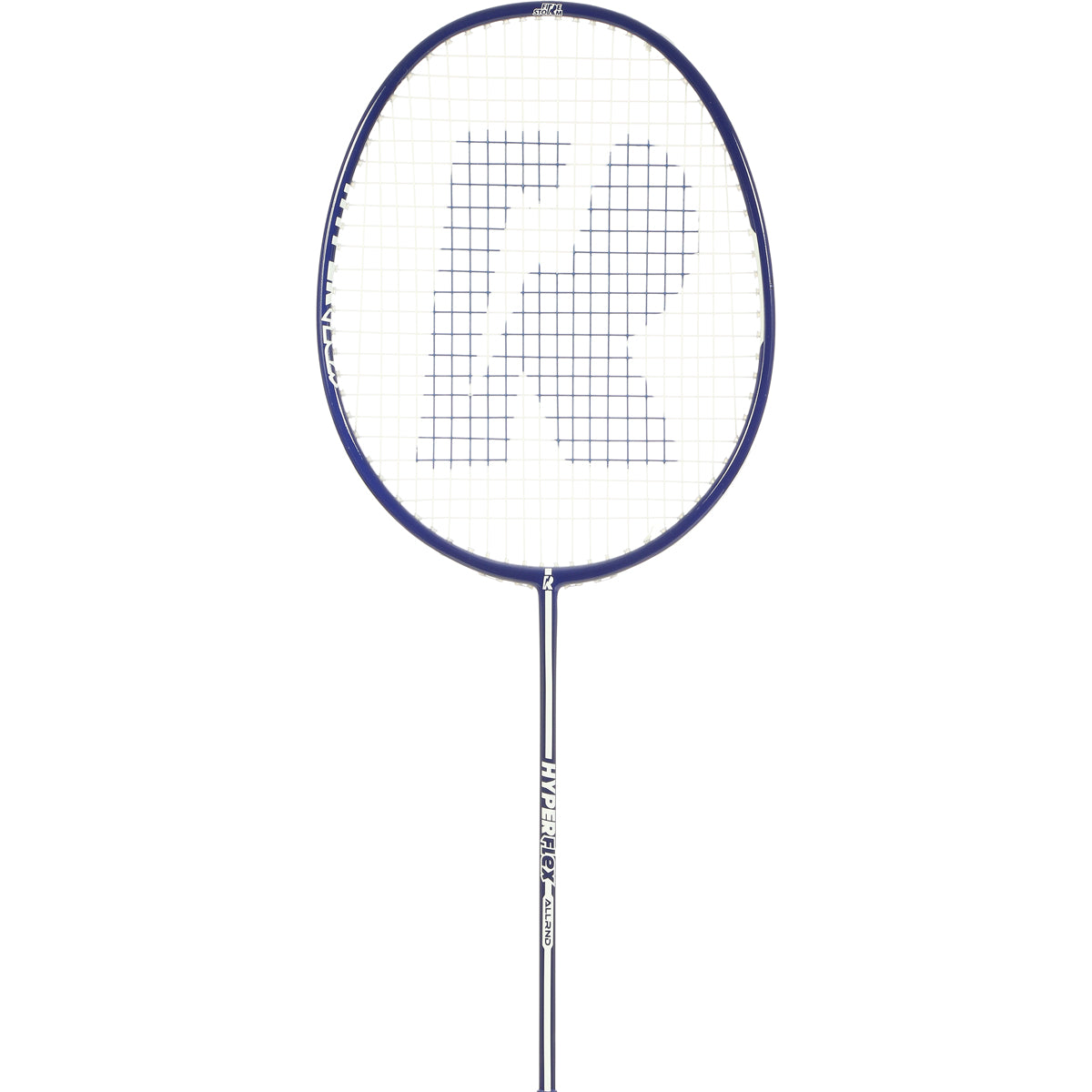


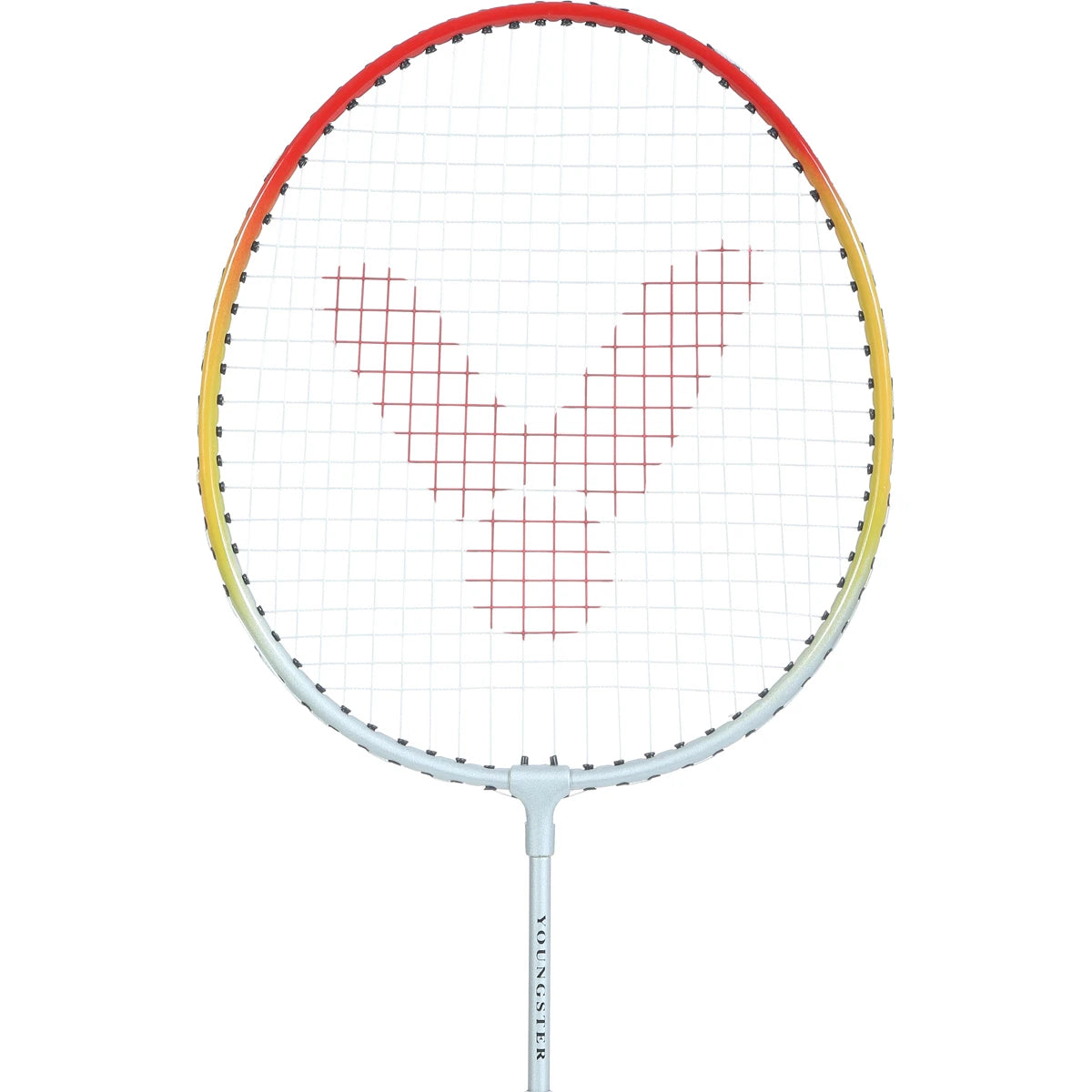
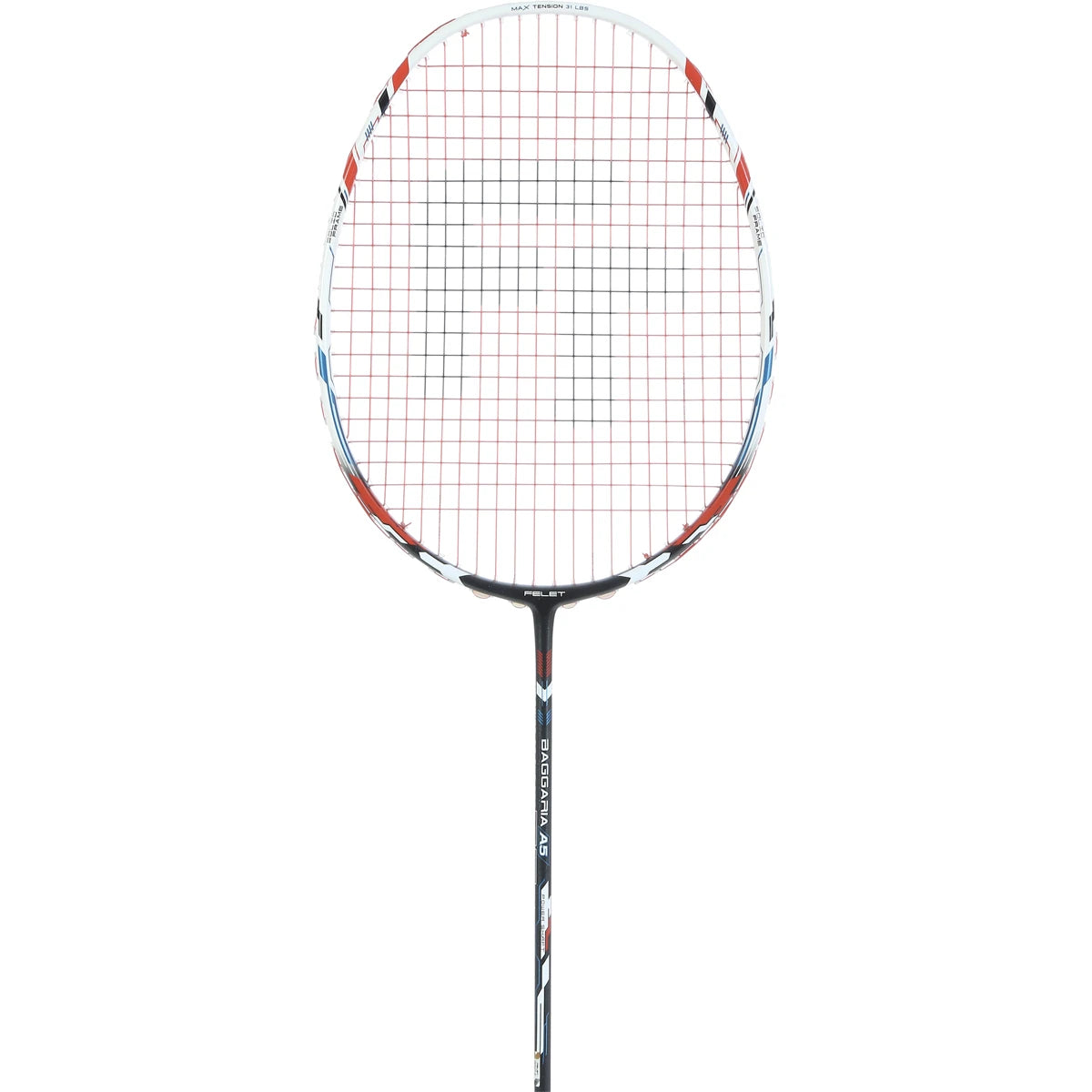


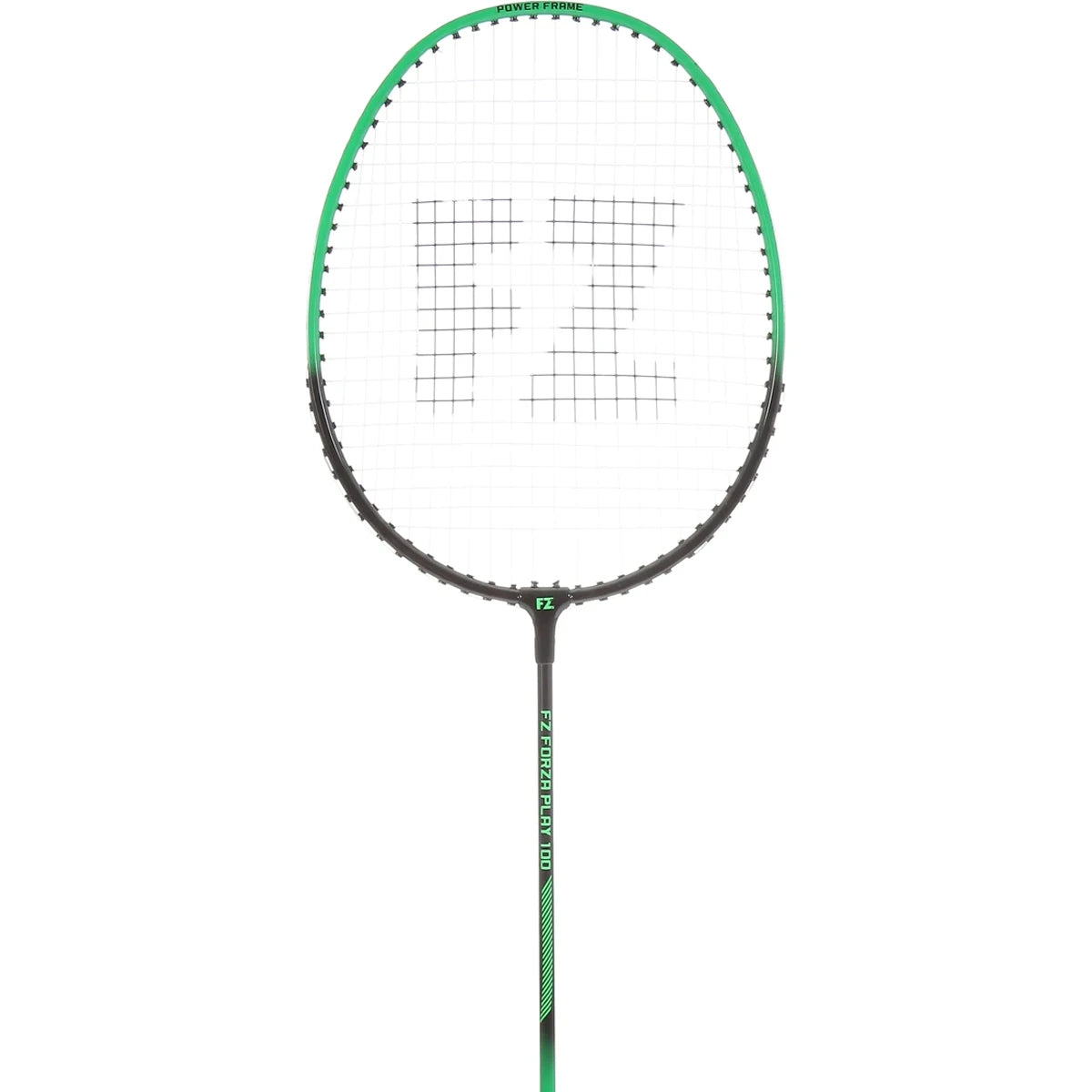
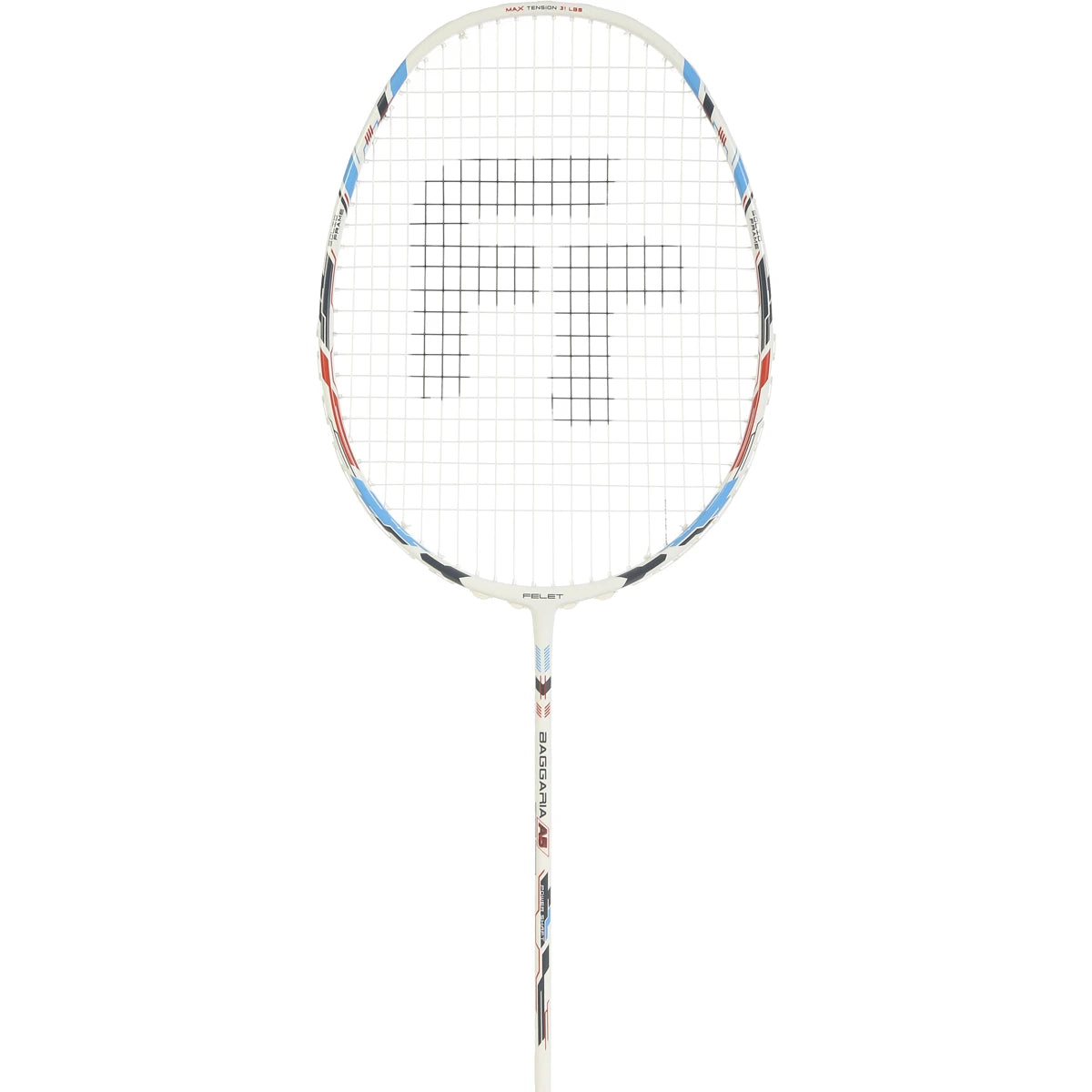

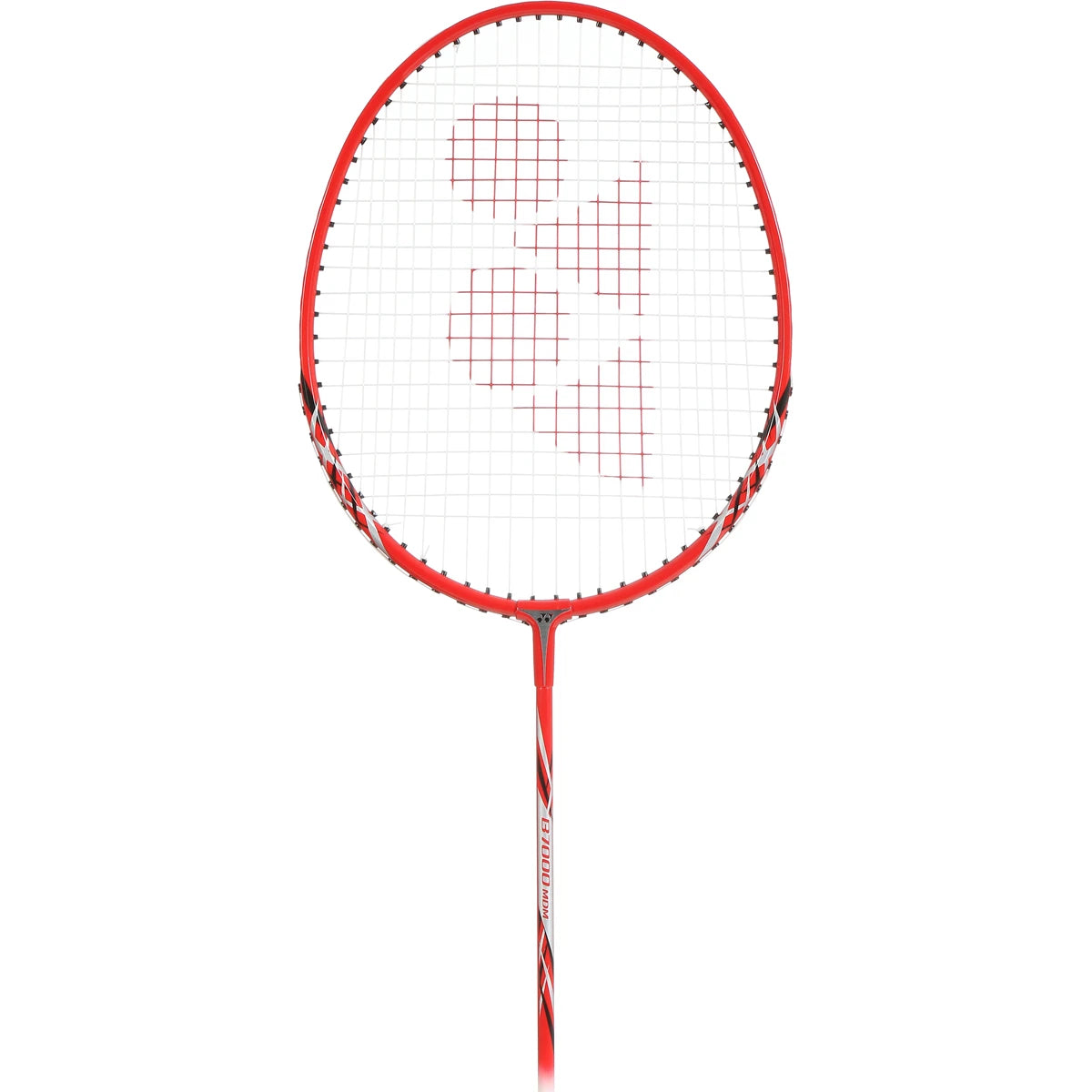
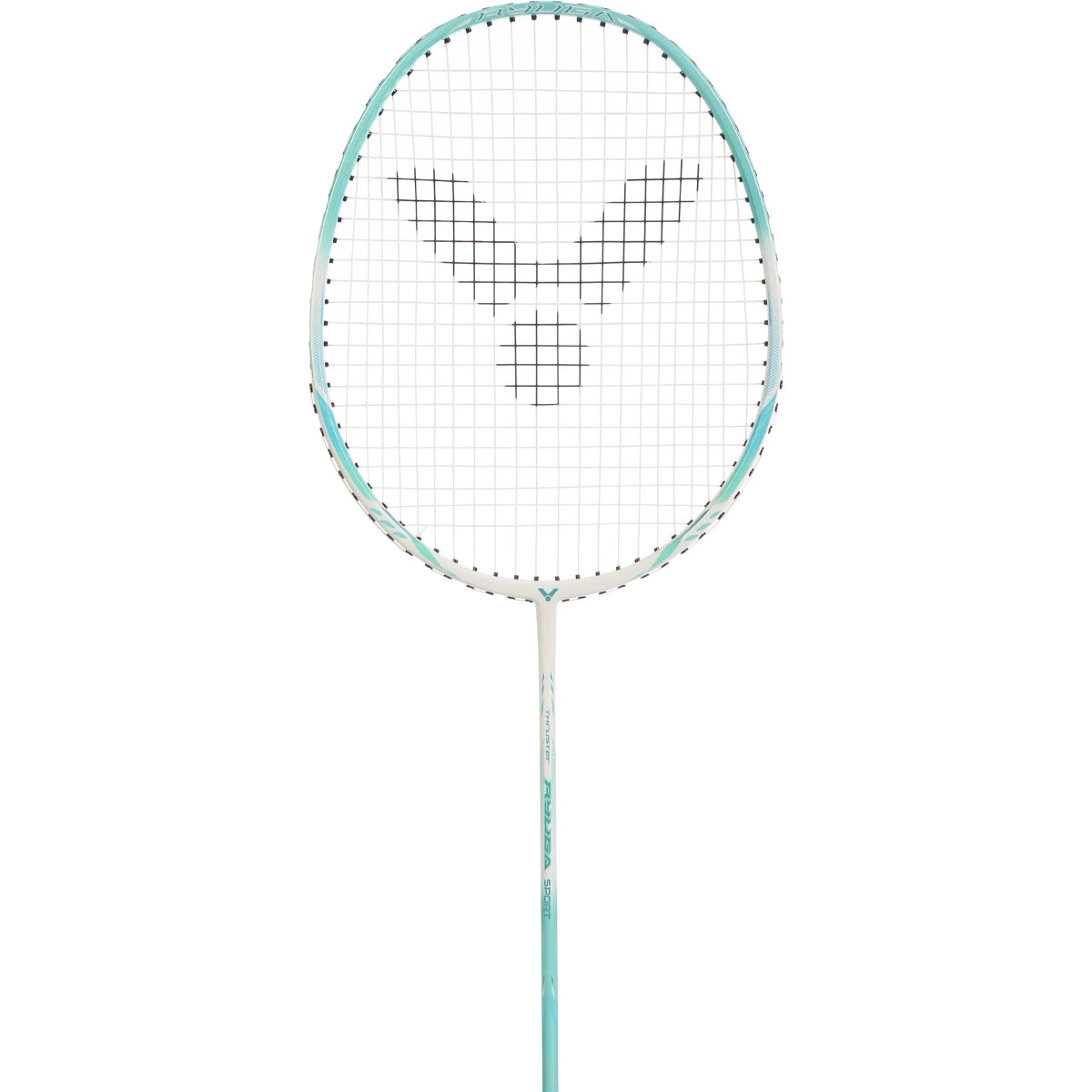


- Badminton rackets
- Badminton rackets (80 - 84g)
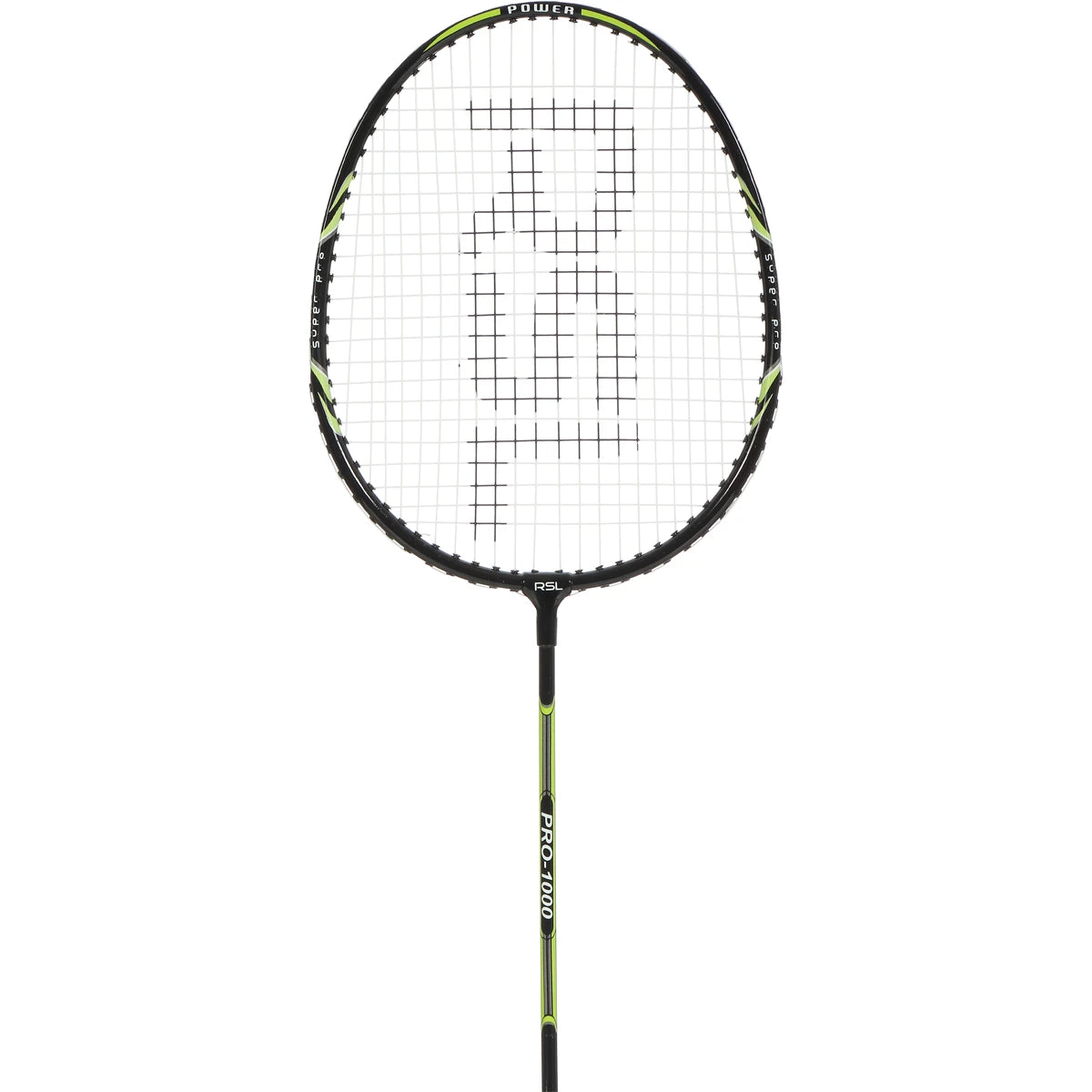
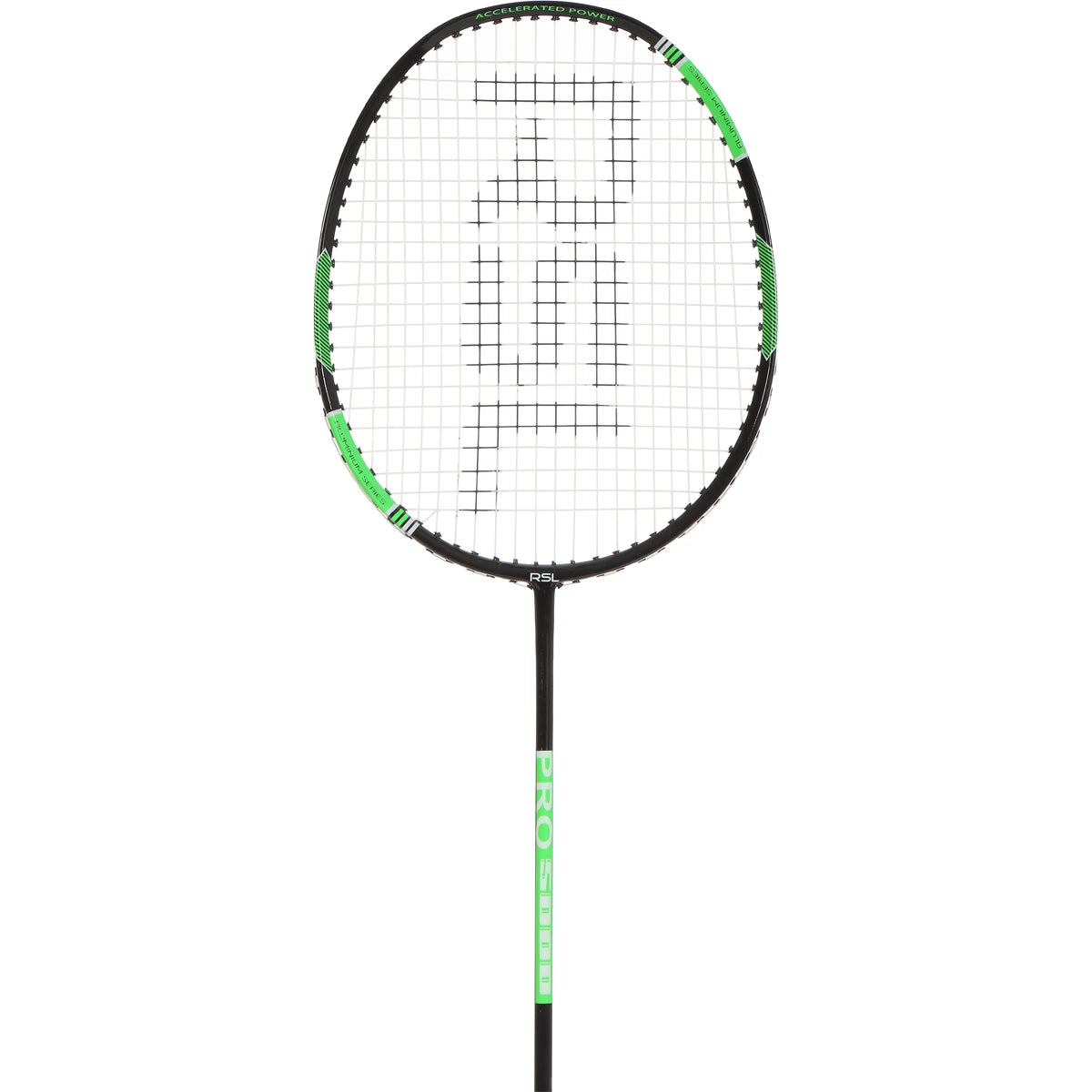
- RSL Badminton Rackets
- Badminton rackets (85 - 89g)
- Flexible Badminton Rackets
- Forza Badminton Rackets
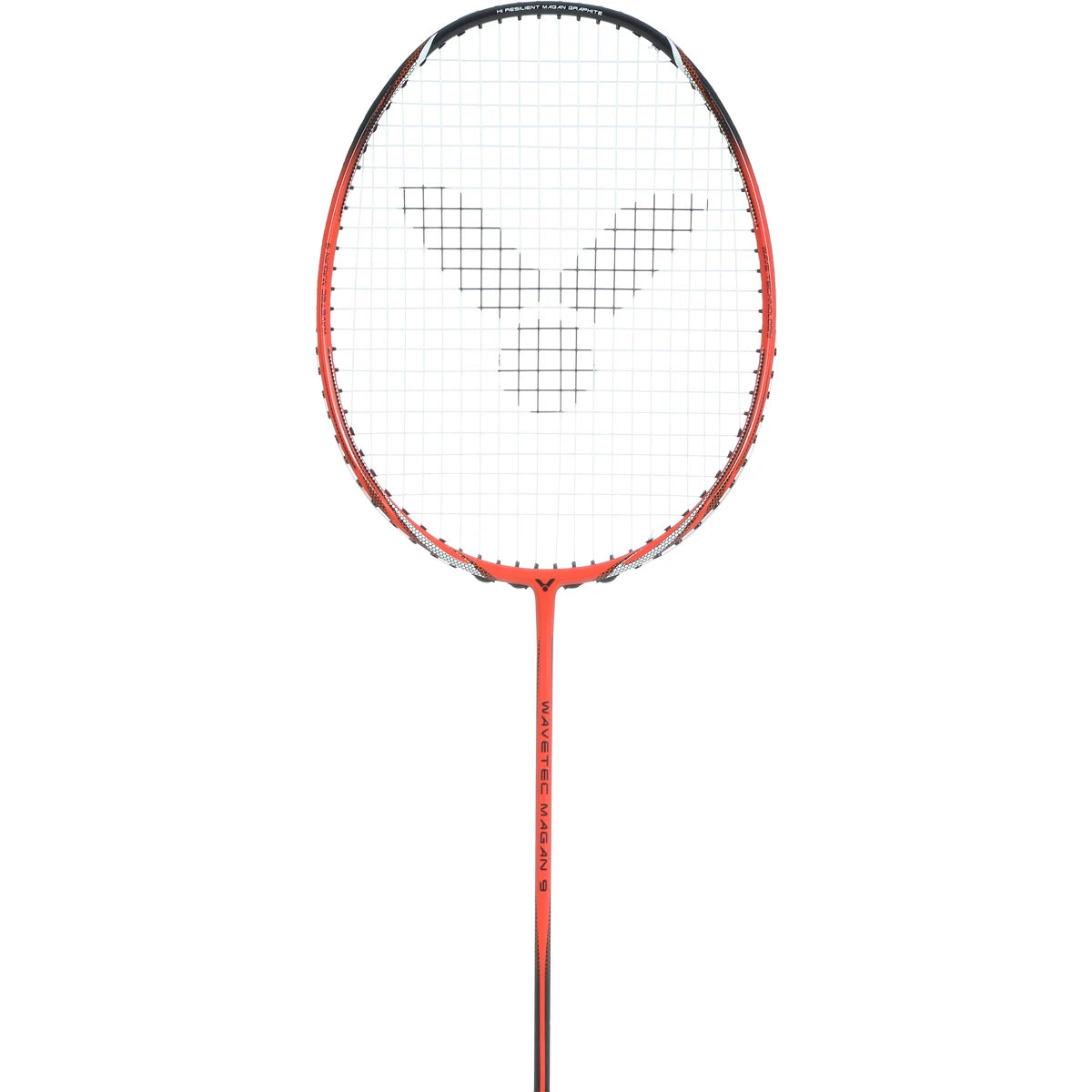
- Victor Badminton Rackets
- Babolat Badminton Rackets
- Yonex Badminton Rackets
- Badminton racket (75 - 79g)
- Apacs Badminton Rackets
- Ashaway Badminton Rackets
- Carlton Badminton Rackets
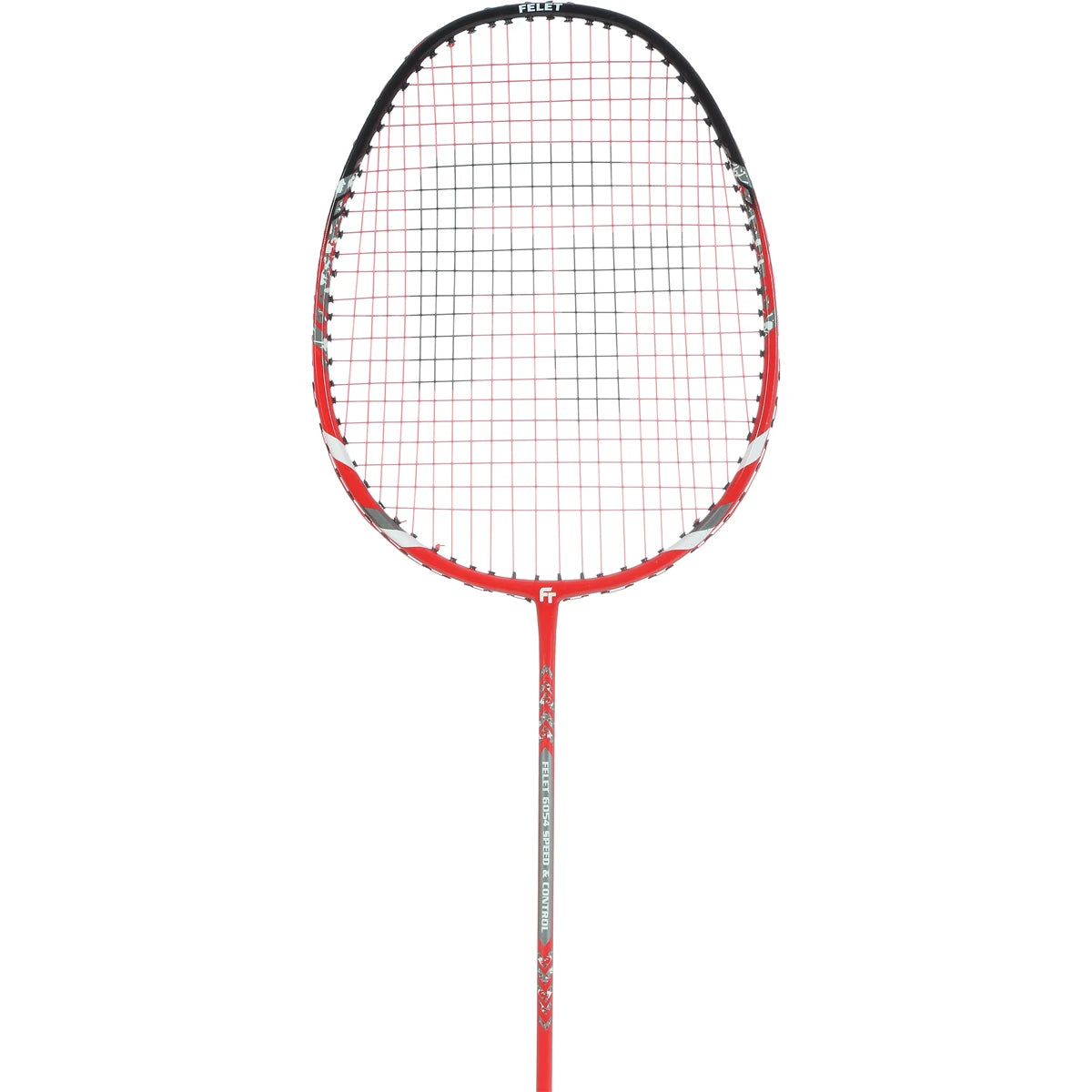
- Felet Badminton Rackets
- Fire Storm Badminton Rackets
- Fleet Badminton Rackets
- Flex Power Badminton Rackets
- Flypower Badminton Rackets
- Fukuda Badminton Rackets
- Hundred Badminton Rackets
- Karakal Badminton Rackets
- Kawasaki Badminton Rackets
- Li-ning Badminton Rackets
- Pro Kennex Badminton Rackets
- Talbot-Torro Badminton Rackets
- Young Badminton Rackets
- Intermediate Badminton Rackets
- Confirmed Badminton Rackets
- Rigid Badminton Rackets
- Medium Badminton Rackets
- Versatile Badminton Rackets
- Offensive Badminton Rackets
- Badminton rackets with handles
- School badminton rackets
- Junior Badminton Rackets
- Adult Badminton Rackets
- Badminton Racket Test
- Used Badminton Rackets
- Badminton Racket Promotions
- New Badminton Rackets
- Yonex badminton rackets - Advanced
- Yonex Badminton Rackets - Beginner
- Yonex Badminton Rackets – Intermediate
- Yonex Junior Badminton Rackets
- Yonex Badminton Rackets – Casual
- Yonex Badminton Rackets – School Use
- Occasional badminton racket
- School Badminton Rackets
- Victor Badminton Rackets - Advanced
- Victor badminton rackets – Casual
Taking up badminton is an exciting adventure, whether you play recreationally on Sundays or join a badminton club to improve your technique. However, faced with the multitude of models available, it is easy to feel lost. A common mistake is to think that any racket will do, or conversely, to buy the most expensive model used by professionals.
The truth is that a beginner badminton racket must meet specific criteria to make learning easier and help prevent injuries. At Lardesports, we know that suitable equipment is the first step toward enjoying the game. This guide is designed to help you see things more clearly and choose the tool that will become a natural extension of your arm.
How do you choose the right badminton racket when you're just starting out?
When choosing your first badminton racket, you should not focus solely on its appearance or brand. The goal is to find equipment that forgives off-center hits and helps propel the shuttlecock without forcing it. Here are the four technical pillars to analyze before confirming your purchase.
Weight: the key to comfort and maneuverability
The racket's weight is undoubtedly the most noticeable criterion from the very first time you pick it up. For a beginner, we strongly recommend choosing a lightweight or standard-weight racket (often classified as 3U or 4U, meaning between 80g and 89g). A racket that is too heavy will quickly tire your arm and increase the risk of tendinitis, especially if your hitting technique is not yet fluid.
A lightweight racket offers excellent maneuverability, which is crucial for reacting quickly, especially in defense or at the net. It allows you to move the frame through the air more quickly, making it easier to learn the correct movements. If you would like to explore a wide range of adult rackets suited to different body types, always prioritize comfort at first.
Balance: finding the compromise between power and control
Balance refers to how the weight is distributed throughout the racket. There are three main categories:
- Head-heavy balance: The weight is concentrated toward the head. This provides power through leverage, but reduces maneuverability.
- Head-light balance: The weight is toward the handle. This maximizes responsiveness and control, but requires more physical effort to clear the shuttlecock to the back of the court.
- Even balance: The weight is perfectly distributed around the center.
For beginners, an even balance is often the best choice. It offers ideal versatility, allowing you to discover your own playing style without being limited in any particular area. If you lack natural strength, a slightly head-heavy balance can nevertheless help you achieve greater shuttle length.
Shaft flexibility: which playing style is it suited to?
The stiffness of the shaft directly affects power and precision. It is a simple physical concept: when you hit the shuttlecock, the shaft bends and then returns to its initial position, releasing energy in the process (a catapult effect).
A stiff racket offers great precision but requires very high arm speed and perfect technique to bend the shaft. It is therefore not recommended for beginners. In contrast, a flexible racket bends more easily. It is the ideal option for a beginner: it provides valuable assistance with power (clears to the back of the court) and absorbs vibrations better, offering greater forgiveness. In between, a semi-stiff (medium) shaft may suit athletic players who already have good coordination.
Head shape: why choose an isometric design?
Have you noticed that some rackets have an oval head while others have a squarer head? This is known as an isometric head. This shape, now standard on most modern models, enlarges the ideal hitting area (the "sweet spot").
When learning badminton, it is common not to center the shuttlecock perfectly on every shot. An isometric head forgives these inaccuracies: even if you hit slightly off-center, the shuttlecock will still travel correctly. This provides essential playing comfort and helps prevent frustration during your first rallies.
Our selection of badminton rackets for beginners
At Lardesports, we have selected the best references on the market to accompany your first steps on the courts. Whether you are looking for a prestigious brand or the best price, here are our recommendations.
The most maneuverable rackets for easy learning
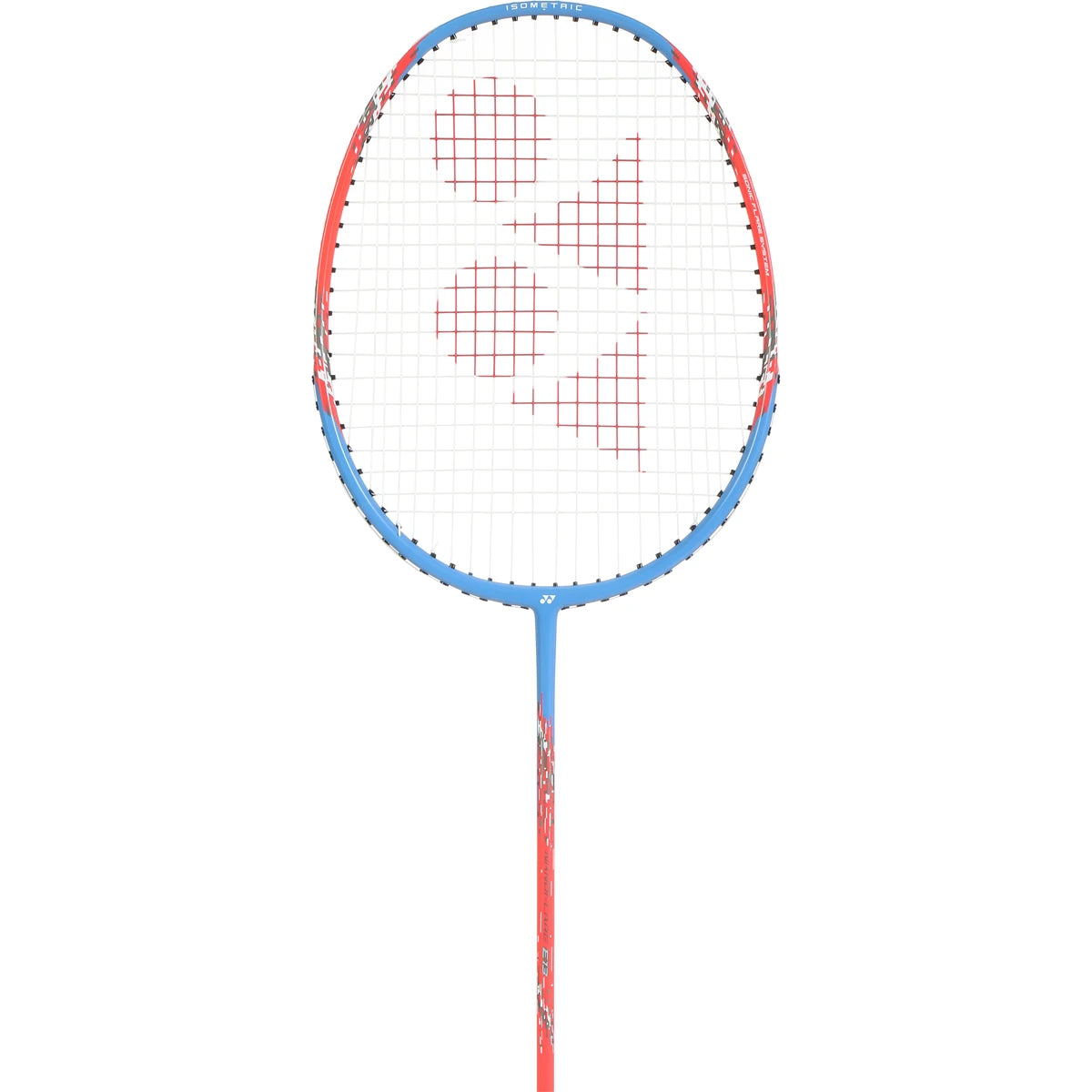
If ease of play is your priority, turn to the market leaders. The Japanese brand is a must: discovering Yonex models is often an excellent starting point. Its entry-level ranges (such as the Nanoflare) are renowned for their lightness and aerodynamic design.
Likewise, the French brand offers highly beginner-friendly products. Choosing a racket from the Babolat range (Satelite or X-Act series) ensures an immediate, comfortable feel thanks to technologies focused on flexibility and forgiveness.
Versatile models for improving every shot
Do you feel that you will progress quickly and want a racket that can grow with you? Brands such as FZ Forza and Li-Ning excel in this area. Choosing an FZ Forza model is often a wise choice for those looking for Scandinavian durability and versatility.
Meanwhile, the Chinese giant equips many champions. Looking at Li-Ning rackets will help you find frames with a highly effective even balance, perfect for switching from defensive play to attack without changing equipment.
Rackets offering the best value for money
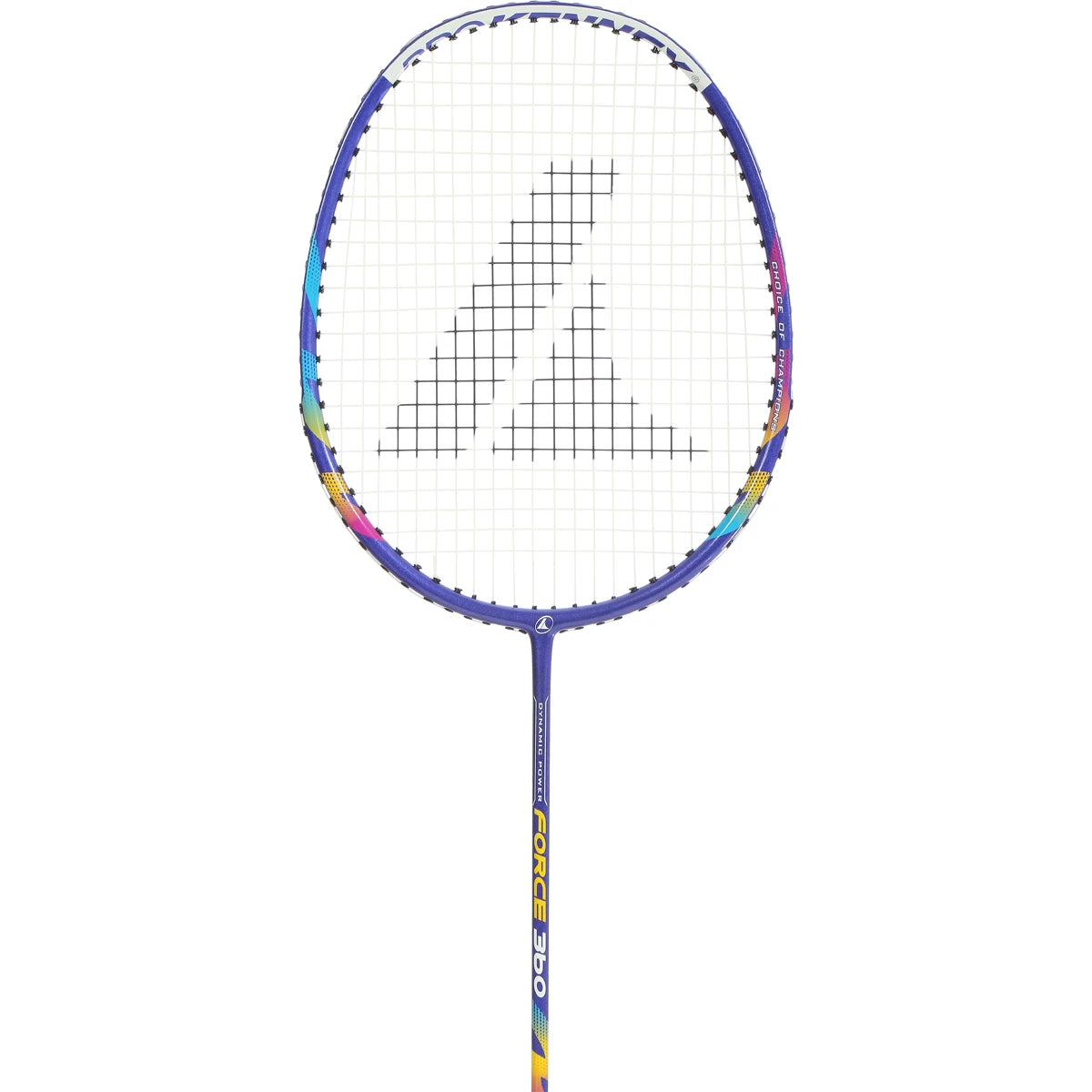
Budget is an important consideration. Fortunately, it is possible to get quality equipment without breaking the bank. If you are prone to arm pain, Kinetic technology is a blessing: take a look at the solutions offered by Pro Kennex, which provide unparalleled vibration absorption, ideal when returning to sport.
Finally, for unbeatable value for money, do not hesitate to browse our section of used rackets. You will often find high-end models from previous collections, in perfect working order, at prices that are hard to beat. It is a golden opportunity to equip yourself like a pro on a beginner's budget.
What mistakes should you avoid when buying?
Enthusiasm can sometimes lead to regrettable impulse purchases. Here are the pitfalls to avoid so that your investment lasts:
- Neglecting the stringing: The racket is sold strung, but the original string tension is often average. If it is too high (more than 10-11kg), you will lose power and risk injury. For a beginner, a tension of around 9kg or 10kg is ideal for benefiting from the "trampoline" effect.
- Buying "like the champion": Seeing a professional player smash with an ultra-stiff, head-heavy racket can be tempting. But without their technique, that same racket will feel like an unplayable "board" to you. Be realistic when choosing flexibility.
- Underestimating the importance of shuttlecock type: If you play with a plastic shuttlecock, the game is slower and requires more effort to achieve length. A flexible racket is even more necessary here than with a feather shuttlecock.
Ready to play? Discover all our rackets at Lardesports
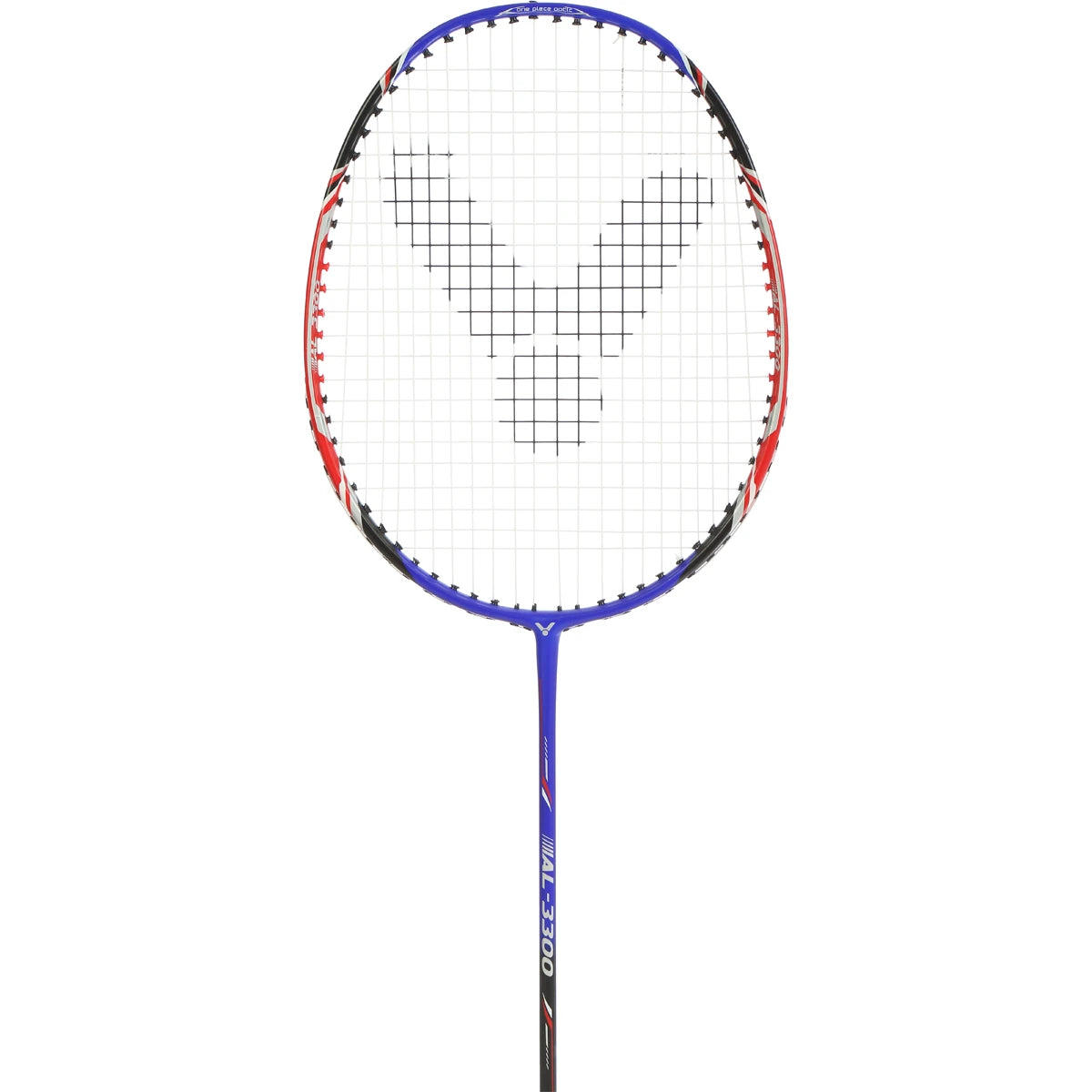
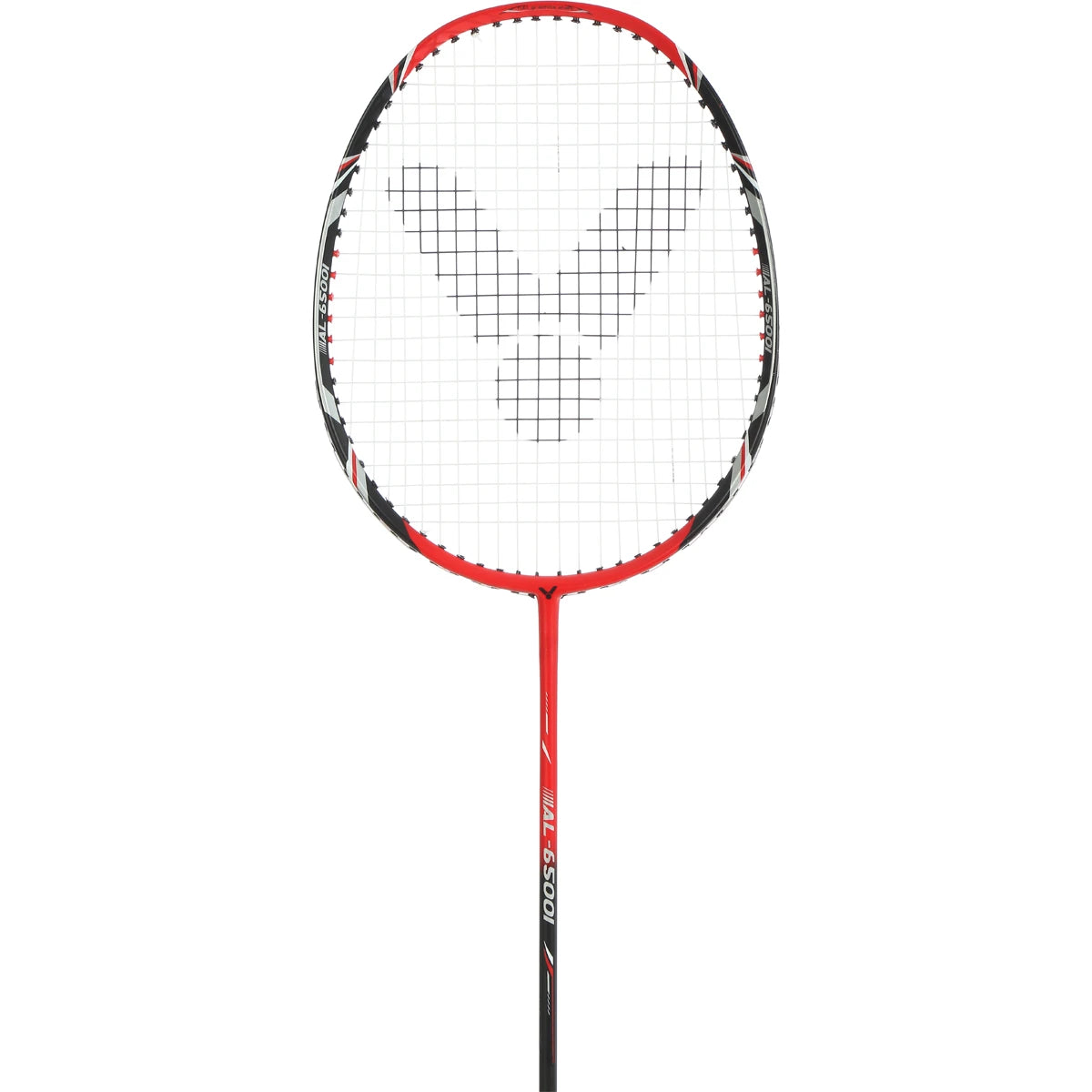
You now have all the key information: for your first steps, prioritize flexibility, moderate weight, and an isometric head. Whether you choose an established brand such as Yonex or Babolat, or seek innovation from Victor or Perfly (Decathlon) to get started, the important thing is to feel comfortable.
Browse our complete catalog at Lardesports. We provide fast delivery, and our experts are available to advise you if you are still hesitating between two models. Don't wait any longer to hit the courts!