

How to choose your badminton shoes?
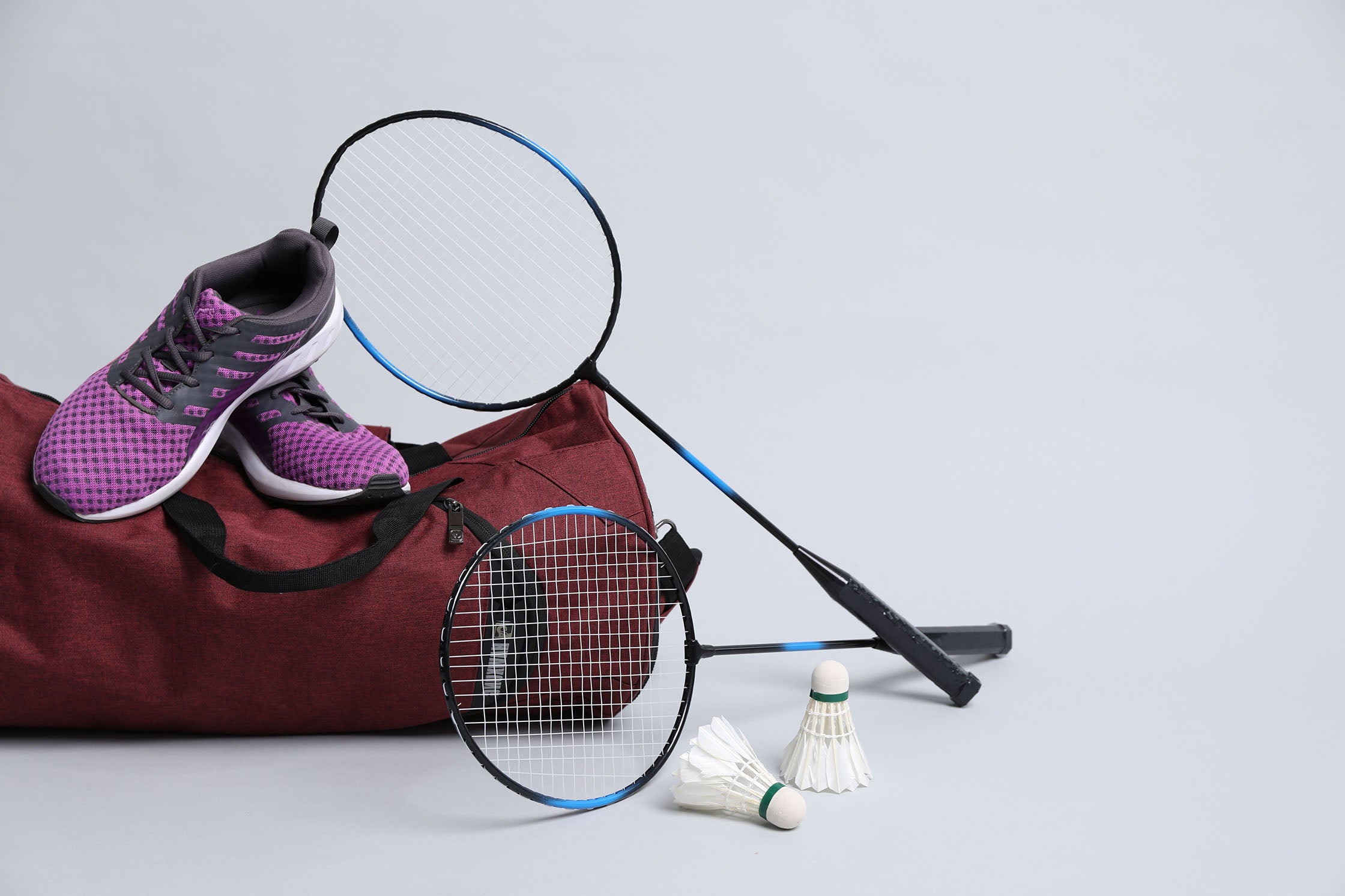
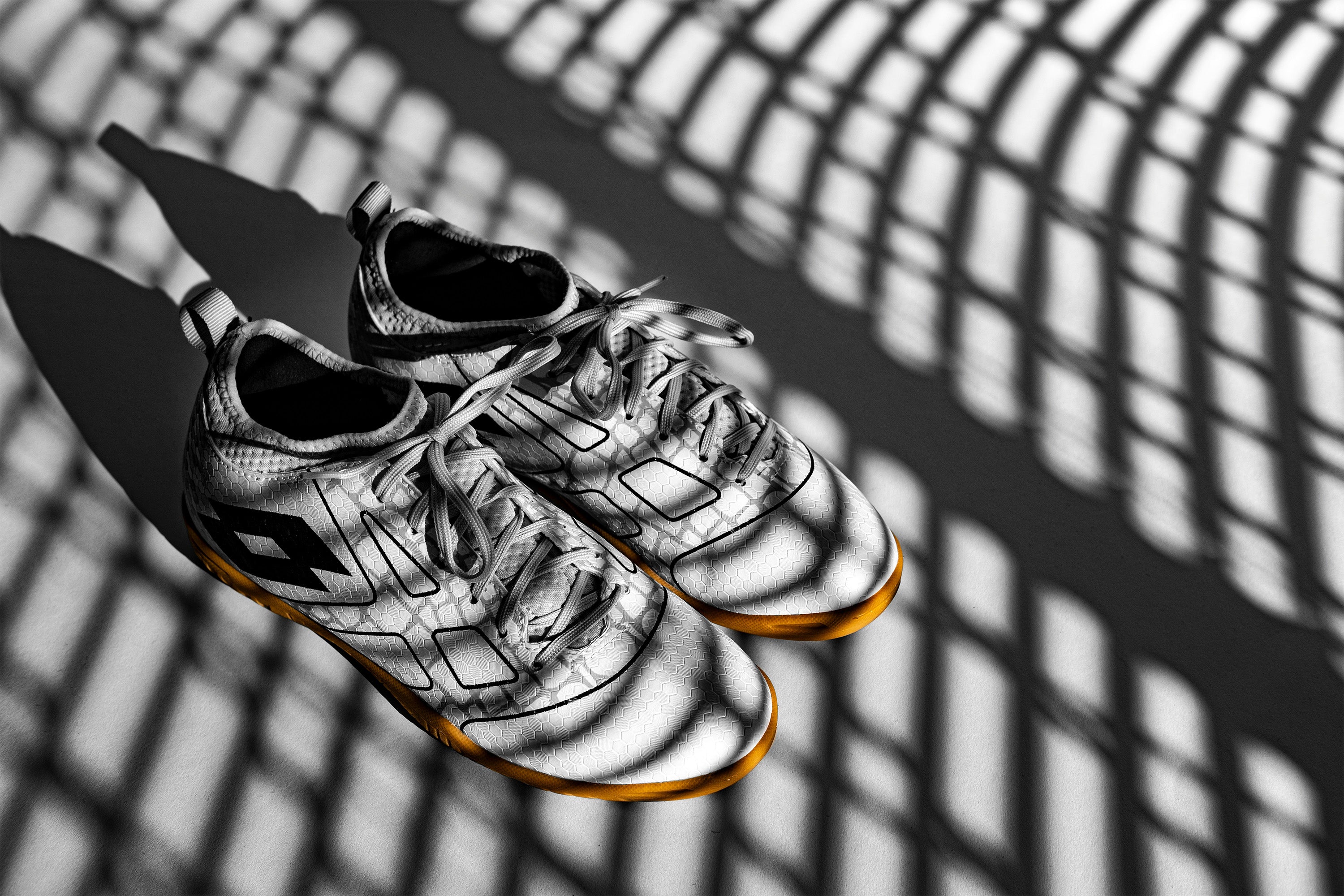
Badminton shoes play an essential role in performance, comfort, and injury prevention. Specifically designed for indoor play, they provide grip, stability, and cushioning suited to the quick movements and direction changes typical of badminton. This guide helps you choose the pair best suited to your level, playing style, and body type.
Why choose shoes specifically for badminton?
Unlike classic or running sneakers, badminton shoes are designed for:

Lateral movements

Explosive starts

Sudden braking

Exclusively indoor practice
They reduce the risks of slipping, sprains, and joint pain while improving the precision of foot placement.
Best-selling badminton shoes

310 g
Weight
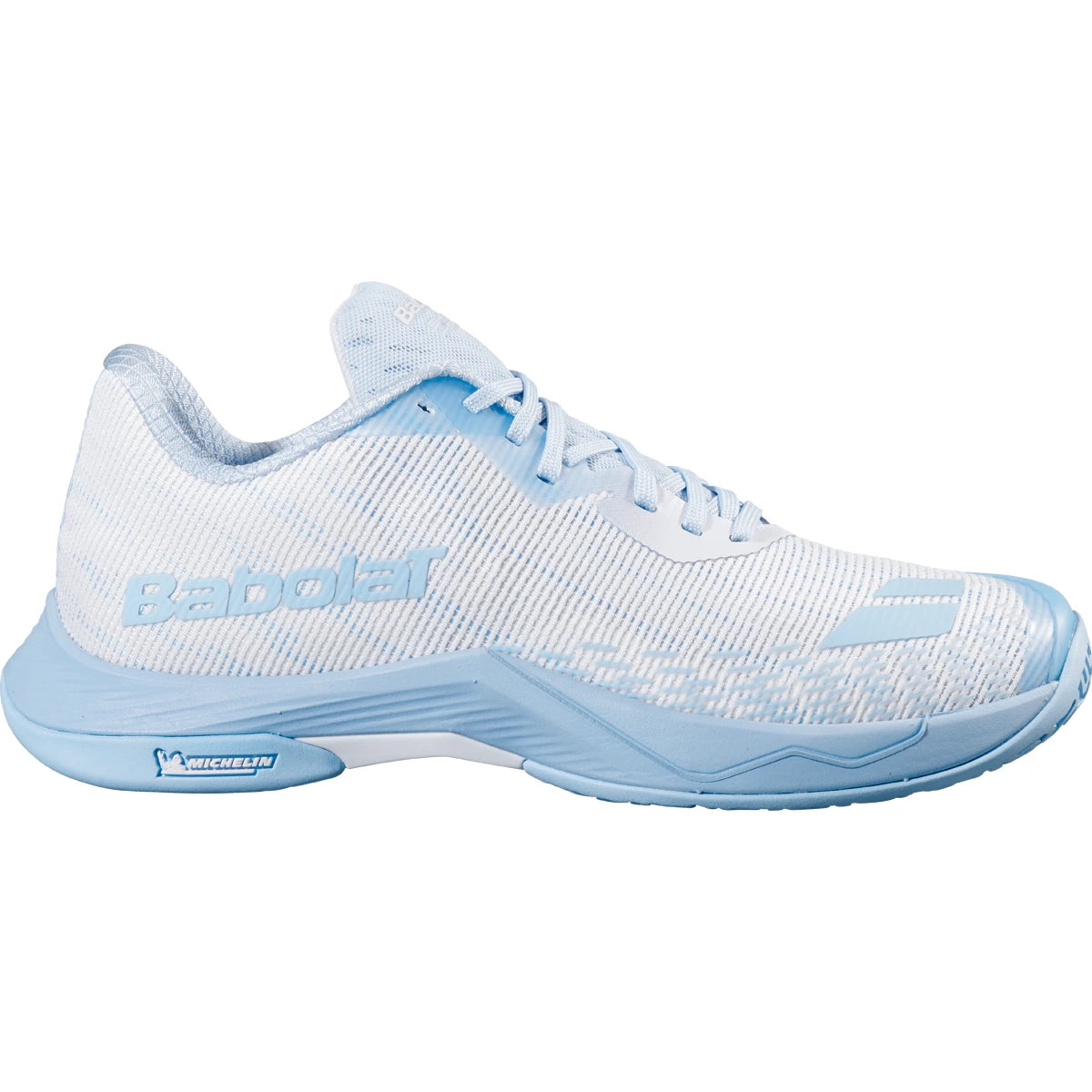
Vendor:Babolat
BABOLAT WOMEN'S INDOOR SPIRIT 2 WHITE/BLUE SHOES
Sale price75,97€Regular price
109,95€
-31%
295 g
Weight
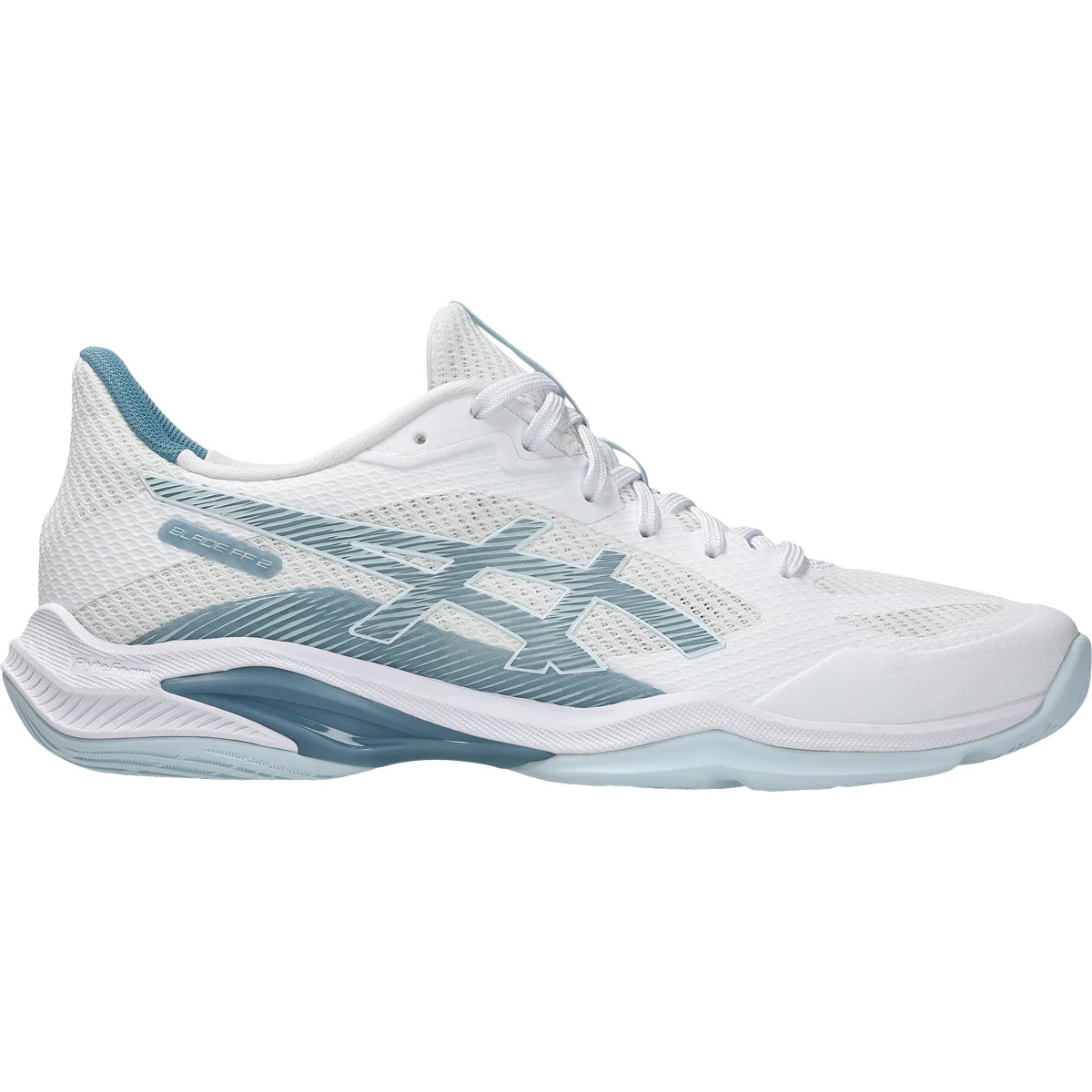
Vendor:Asics
ASICS MEN'S INDOOR BLADE FF 2 SHOES
Sale price89,90€Regular price
120,00€
-25%
285 g
Weight
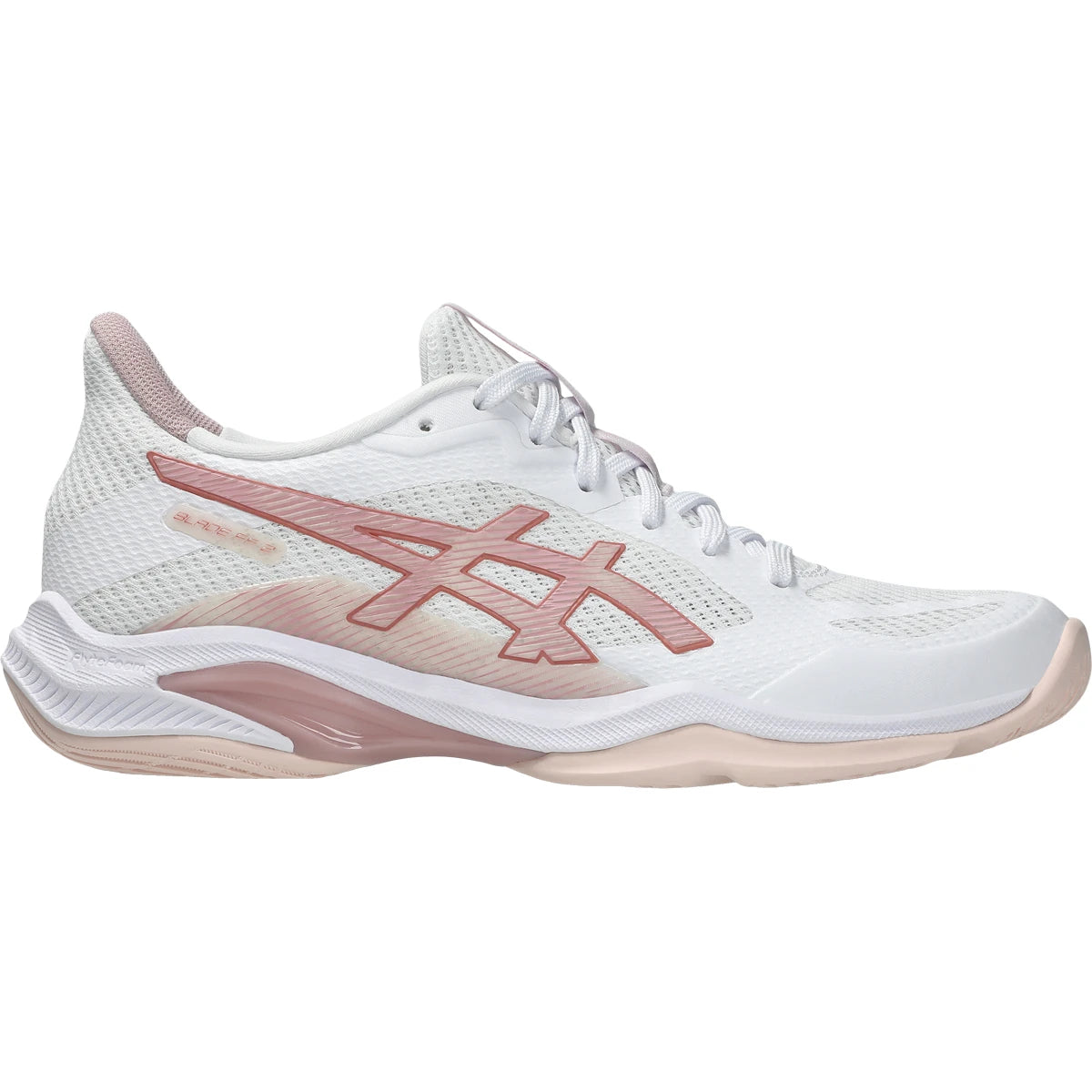
Vendor:Asics
ASICS WOMEN'S INDOOR BLADE FF 2 SHOES
Sale price84,90€Regular price
120,00€
-29%
265 g
Weight
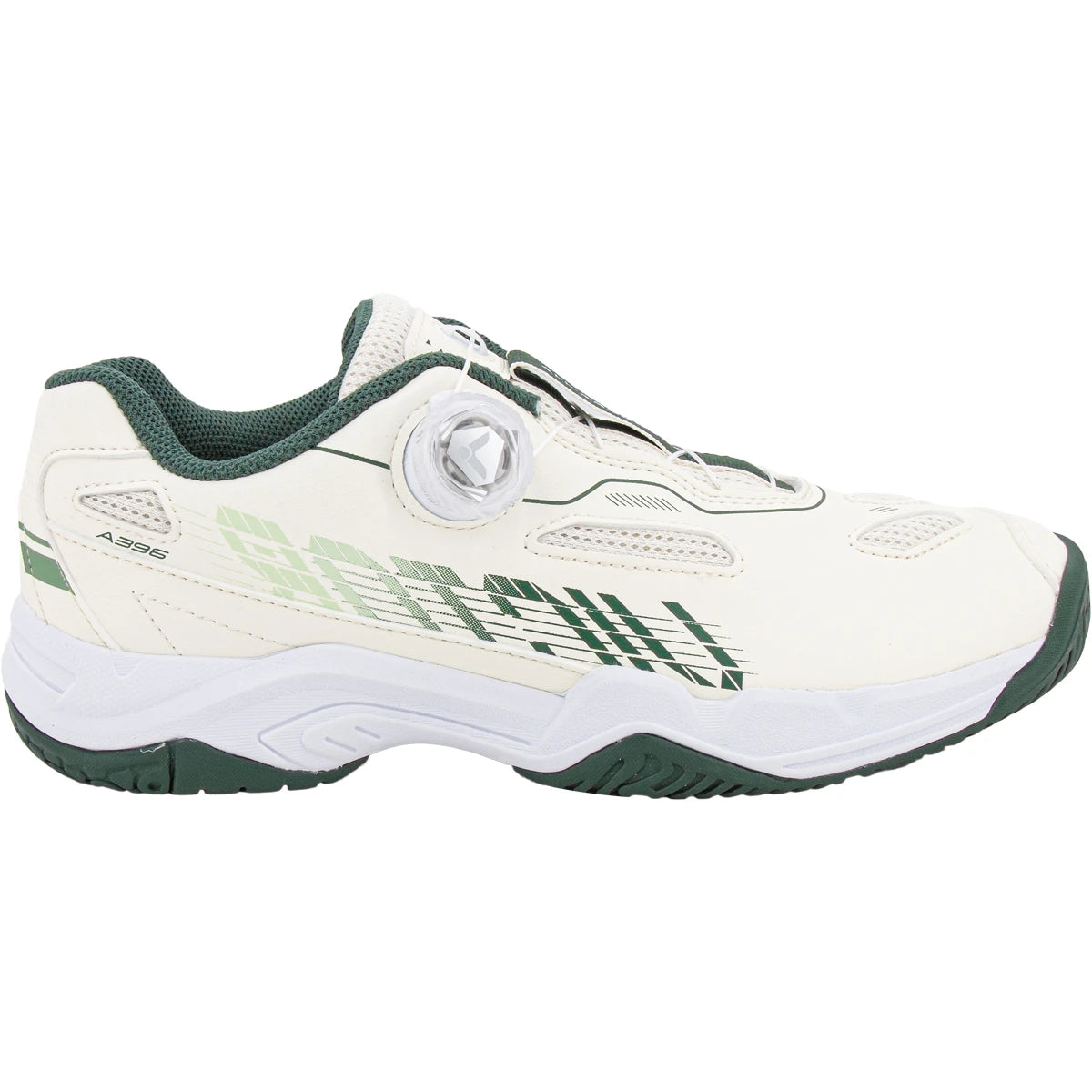
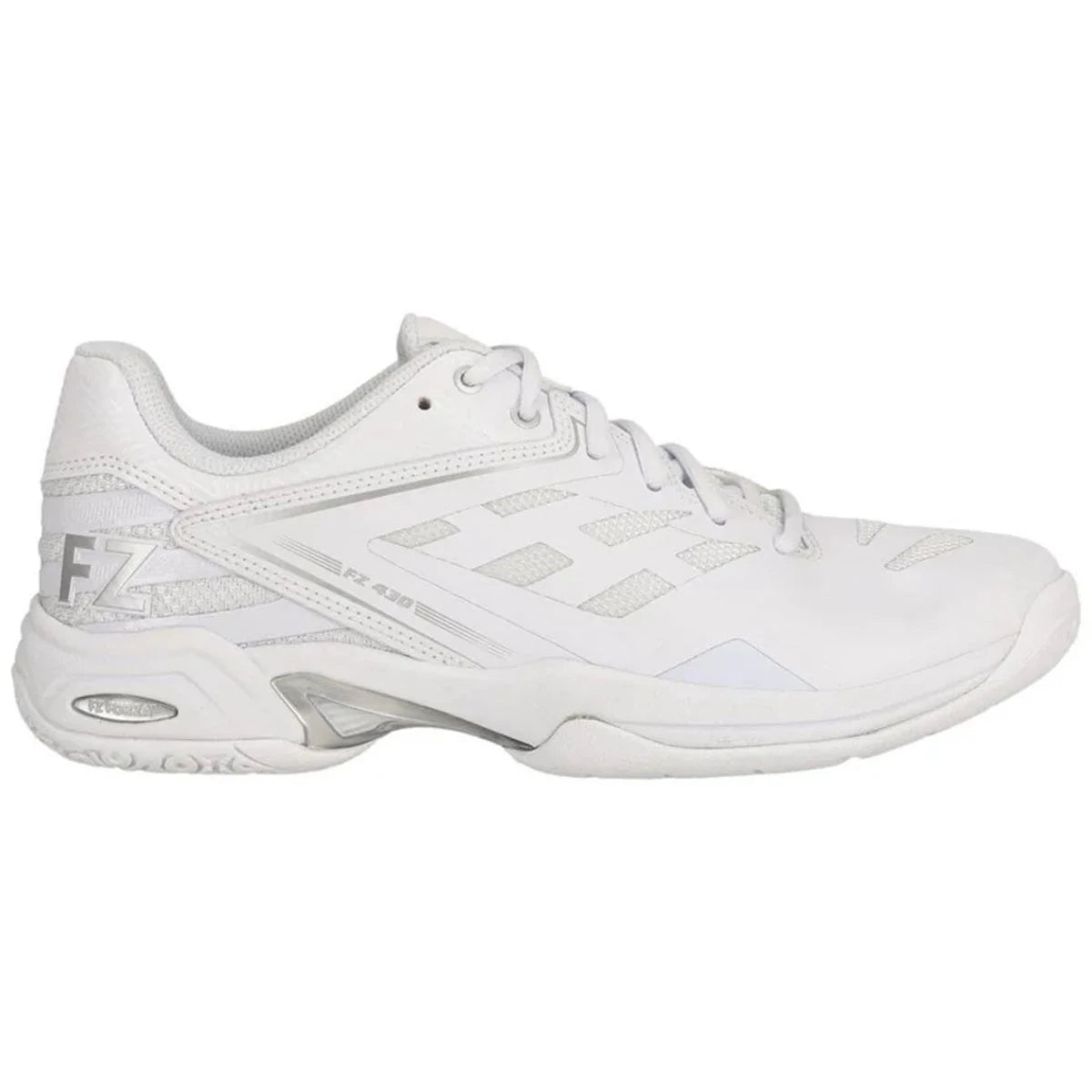
310 g
Weight
The anatomy of a badminton shoe
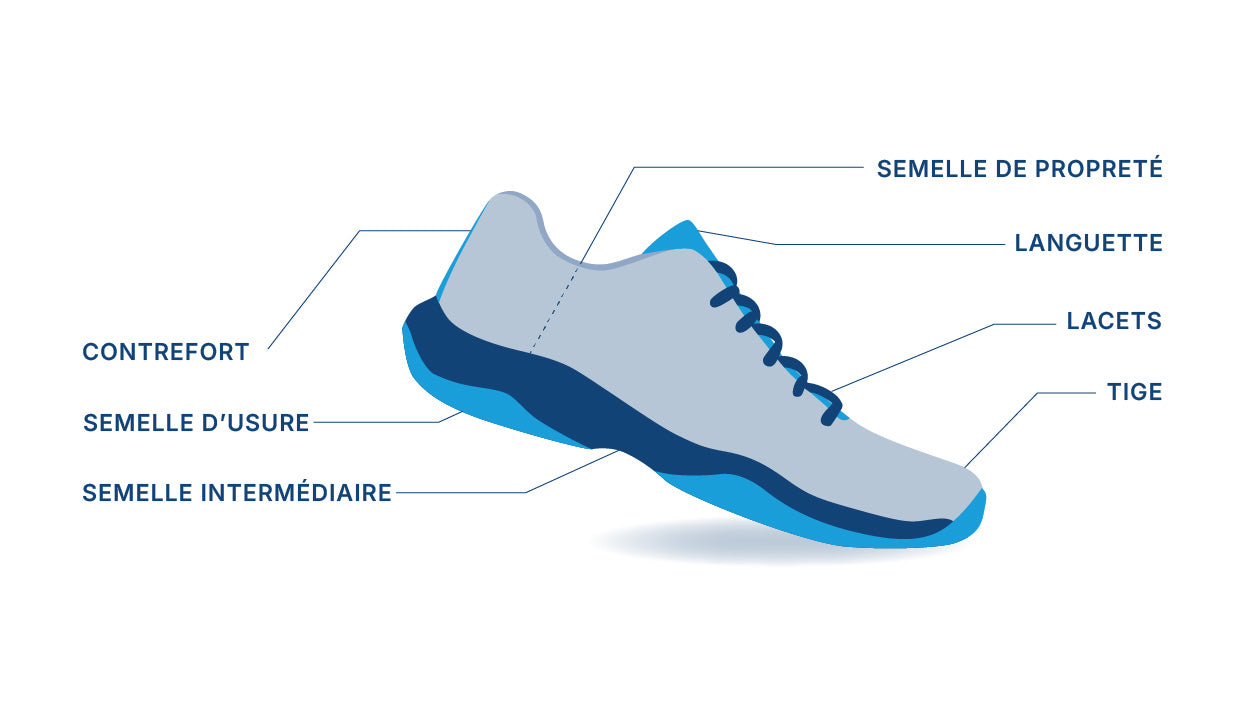
The stem
- Upper part of the shoe
- Provides support, breathability, and durability
- Made of mesh, synthetic materials, and side reinforcements
The buttress
- Rigid part located at the back of the shoe
- Keeps the heel in place
- Improves stability and reduces the risk of ankle twisting
The insole
- Insole in direct contact with the foot
- Improves comfort and hygiene
- May be removable depending on the model
The outsole
- Non-marking rubber
- Ensures grip on indoor floors
- Key element for the safety and durability of the shoe
The midsole
- Located between the outsole and the insole
- Main role: cushioning and shock absorption
- Protects the joints during jumps and landings
The essential criteria for choosing your badminton shoes

Adherence
Good grip is essential for moving safely on indoor floors (parquet, Taraflex).
- Non-marking sole required
- Rubber providing optimal traction

Stability and support
Badminton heavily relies on lateral support. A good shoe should offer:
- reinforced lateral support
- securely locked heel
- a stable base to secure lunges and changes of direction

The cushioning
Repeated impacts during jumps and landings require effective cushioning to:
- absorb shocks
- protect ankles, knees, and back
- reduce fatigue over time

Comfort and breathability
For optimal comfort, prioritize:
- breathable materials (mesh)
- a lightweight shoe
- a good fit from the first uses
Choosing Your Shoes According to Your Skill Level

Beginner
- Priority on comfort and stability
- Versatile and accessible models
- Ideal for safely discovering the practice

Intermediate
- Best balance between cushioning, support, and responsiveness
- More durable shoes for frequent use

Competitor
- Maximum lightness
- Responsiveness and precision of support
- Advanced technologies for performance
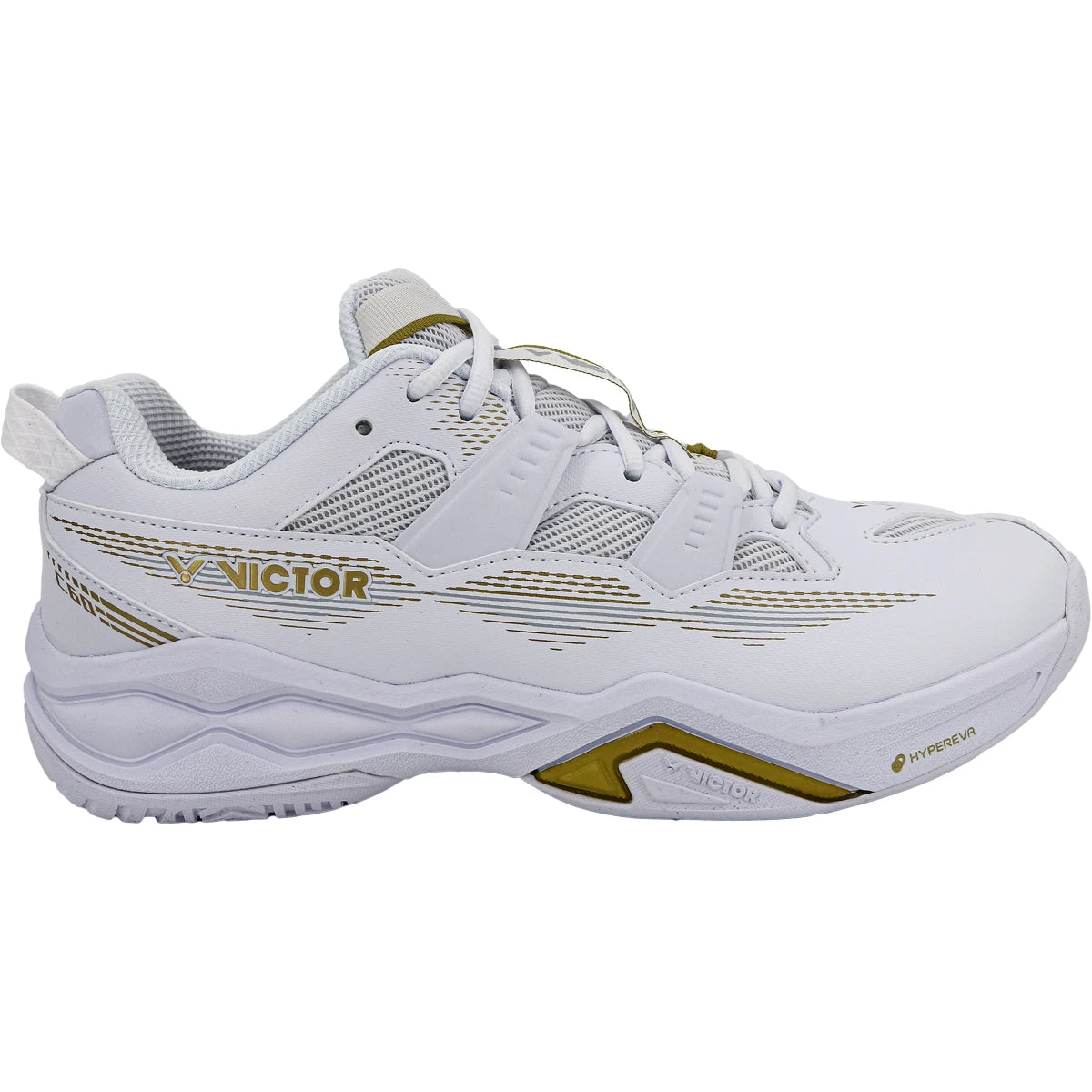
Vendor:Asics
ASICS MEN'S INDOOR BLADE FF 2 SHOES
Sale price89,90€Regular price
120,00€
-25%
285 g
Weight
310 g
Weight
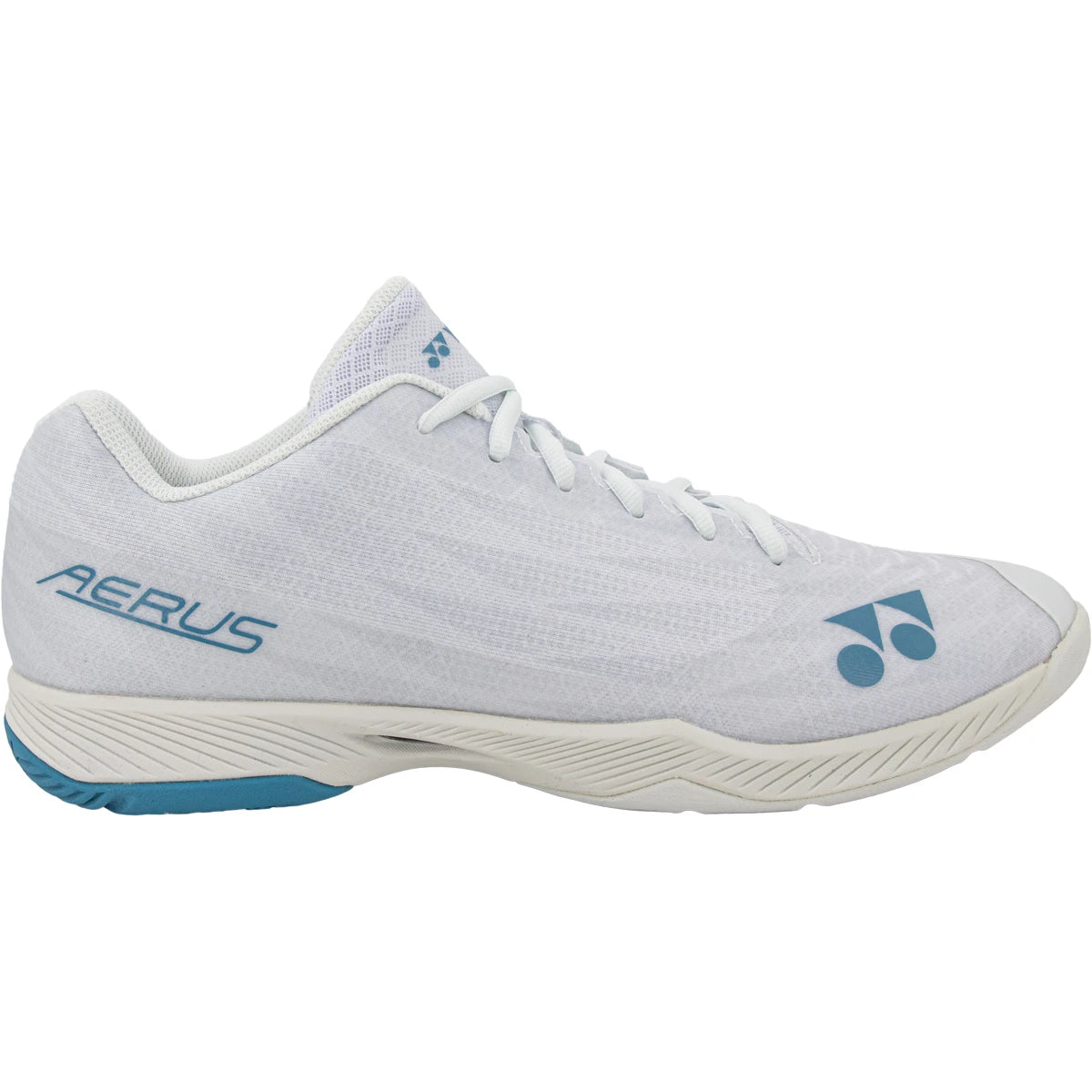
Vendor:Yonex
YONEX MEN'S INDOOR SHOES SHB AERUS Z2 WHITE BLUE
Sale price152,00€Regular price
190,00€
-20%
240 g
Weight
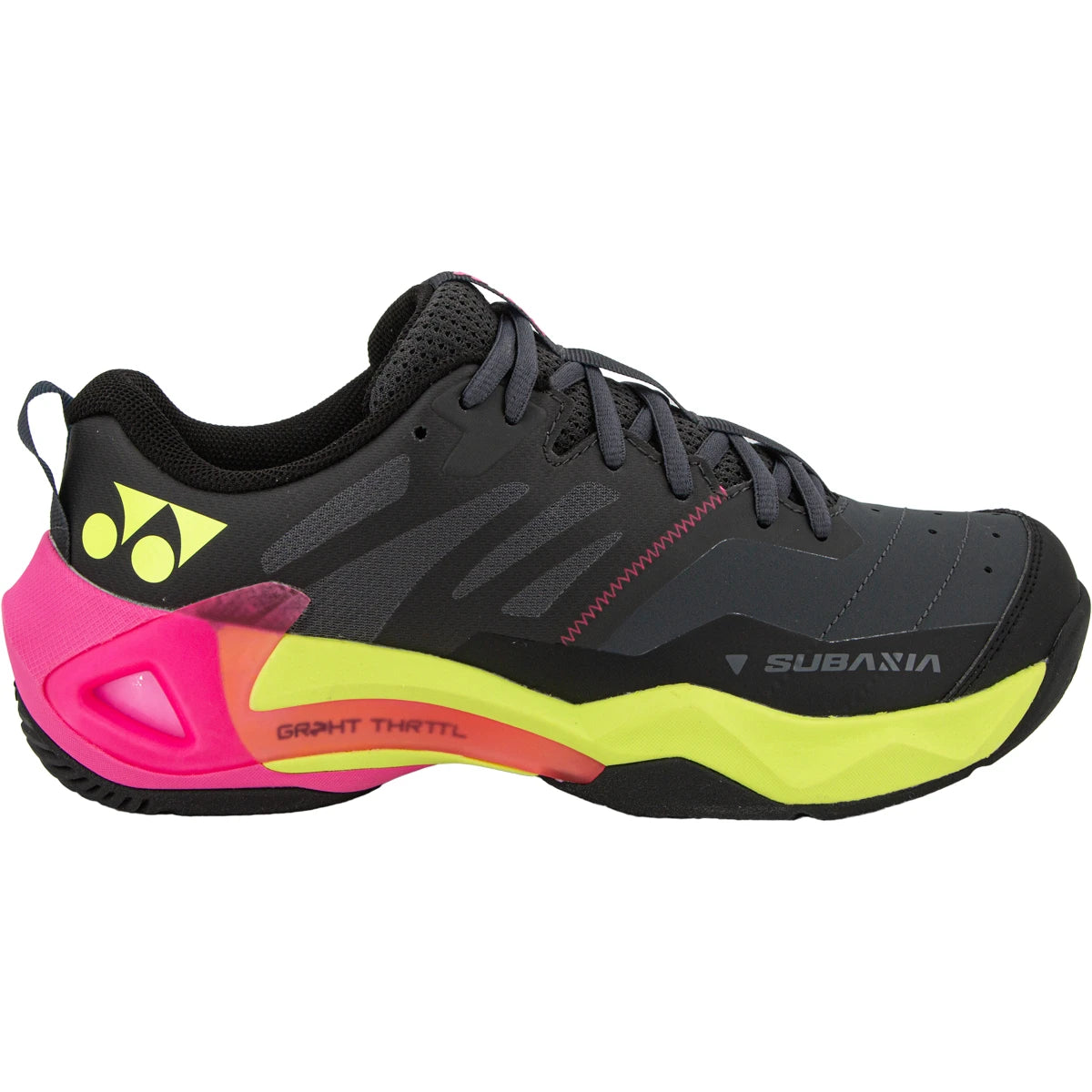
Vendor:Yonex
YONEX MEN'S INDOOR SHOES PC SUBAXIA DARK GREY
Sale price160,00€Regular price
200,00€
-20%
295 g
Weight
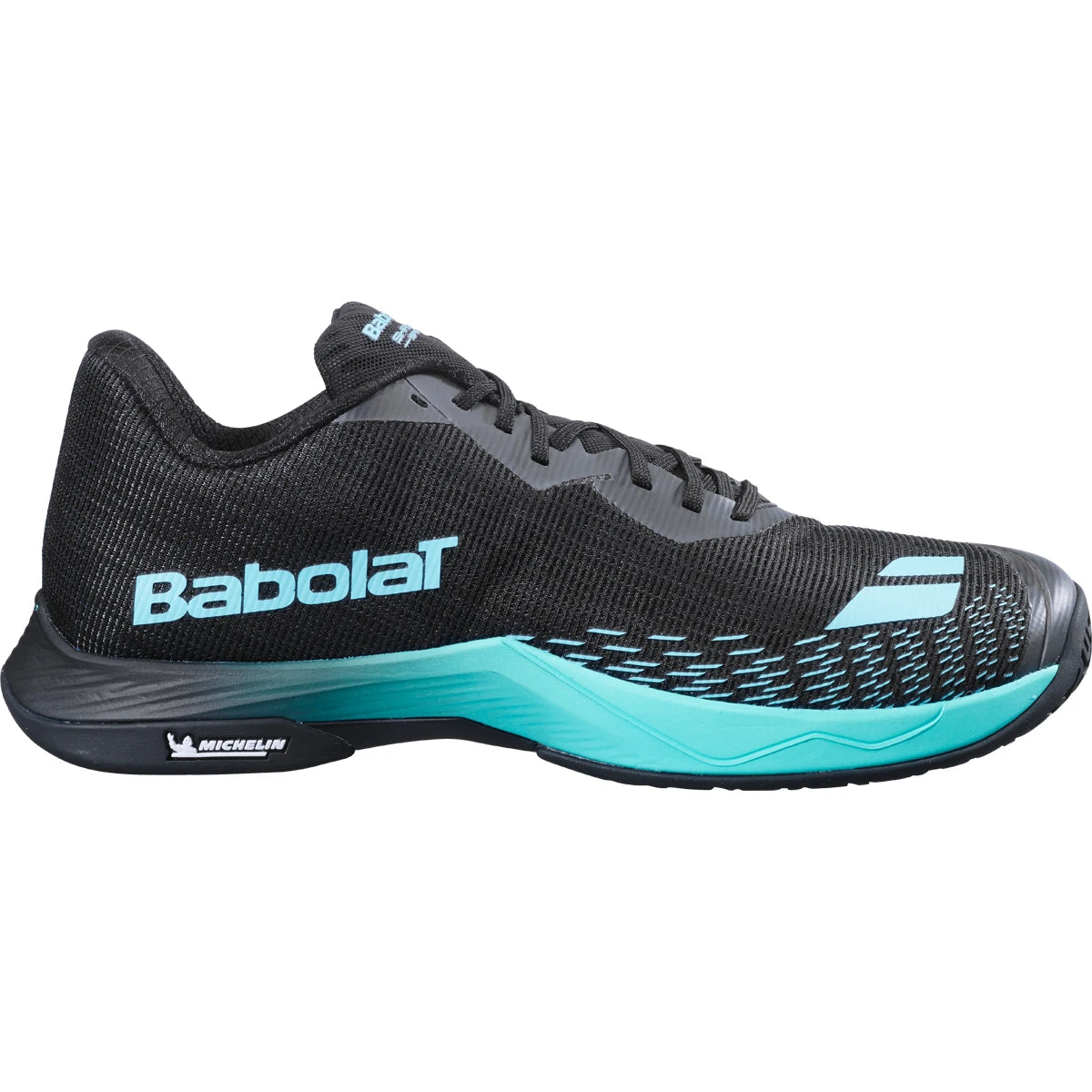
Vendor:Babolat
BABOLAT MEN'S INDOOR SHADOW SPIRIT 2 BLACK/CYAN SHOES
Sale price89,00€Regular price
109,95€
295 g
Weight
Frequently Asked Questions
Can you play badminton with running or fitness shoes?
No. Running or multisport shoes are not designed for lateral movements in badminton. They provide less stability and increase the risk of injury.
Are badminton shoes mandatory in clubs?
Yes, in most clubs and gyms, shoes must be indoor with non-marking soles to protect the floors and ensure safety.
How often should you change your badminton shoes?
It depends on your usage. On average:
- Casual player: every 12 to 18 months
- Regular player: every 6 to 12 months
As soon as grip or cushioning decreases, it is recommended to replace them.
Do you need different shoes for training and competition?
It is not mandatory, but regular players or competitors can choose:
- A comfortable pair for training
- A lighter and more responsive pair for matches
Good to know
- A good shoe improves performance but above all safety
- Comfort and support are more important than design
- Each brand may size differently: always check the size guide
Need help choosing?
Our experts are here to advise and guide you in your choice.experts@lardesports.com